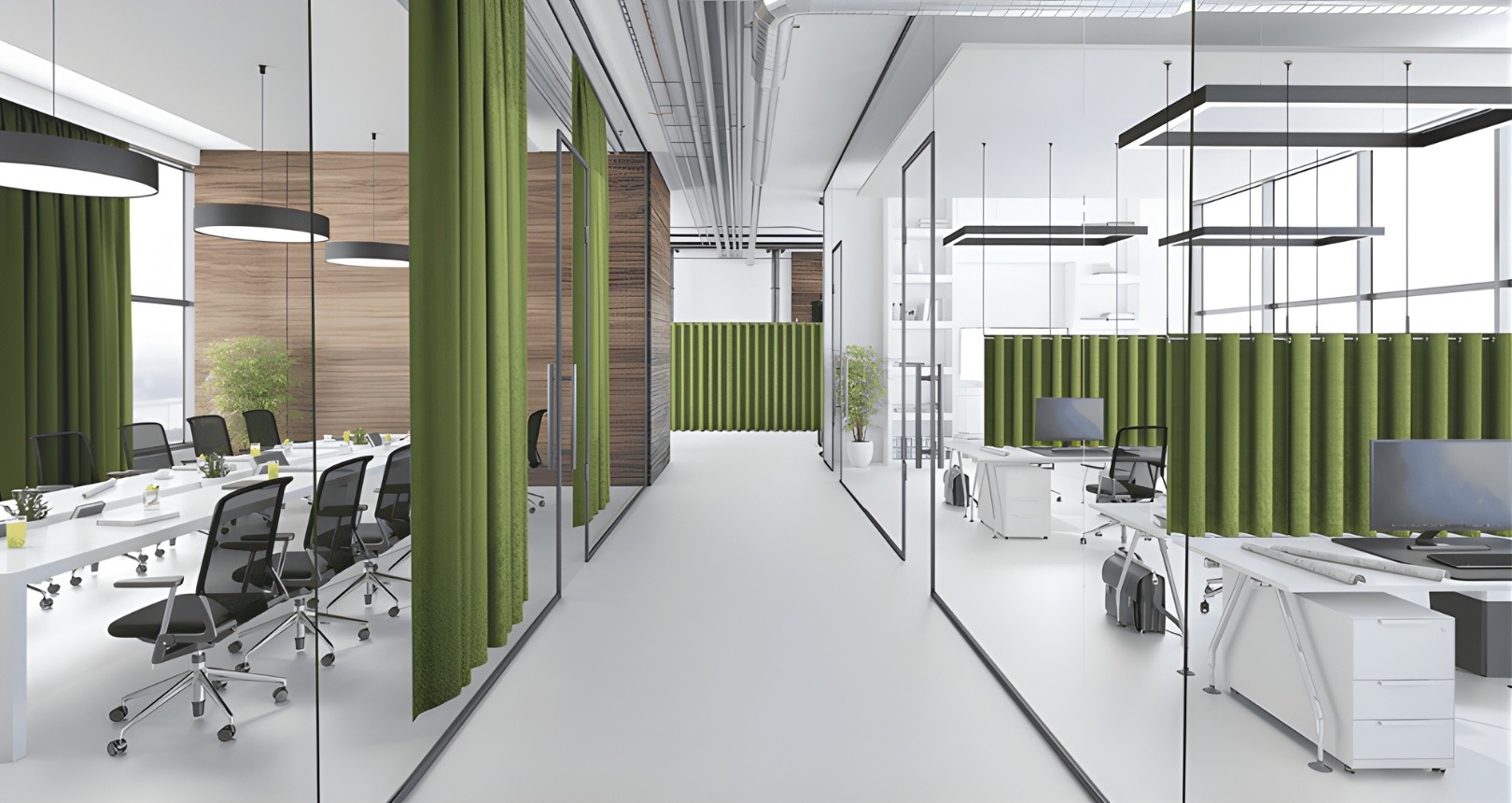
As work environments evolve, an essential need is resurfacing: that of reconnecting people with their everyday surroundings. In this quest for harmony between functionality and well-being, organic design is a welcome breath of fresh air at the heart of contemporary workspaces.
The DNA of organic design: a living aesthetic
For BeWDS, it's not a trend, but rather a vision: organic design embodies a fluid, sensory visual language, inspired directly by the forms that nature offers us. Undulating curves, controlled asymmetries, raw materials and tactile textures make up a universe that deliberately breaks with the coldness of industrial standards.
This trend, inherited from the twentieth-century avant-gardes - notably Frank Lloyd Wright and Alvar Aalto - is making a comeback today with renewed intensity, driven by sustainable, human and resolutely aesthetic aspirations.
Markers of organic design
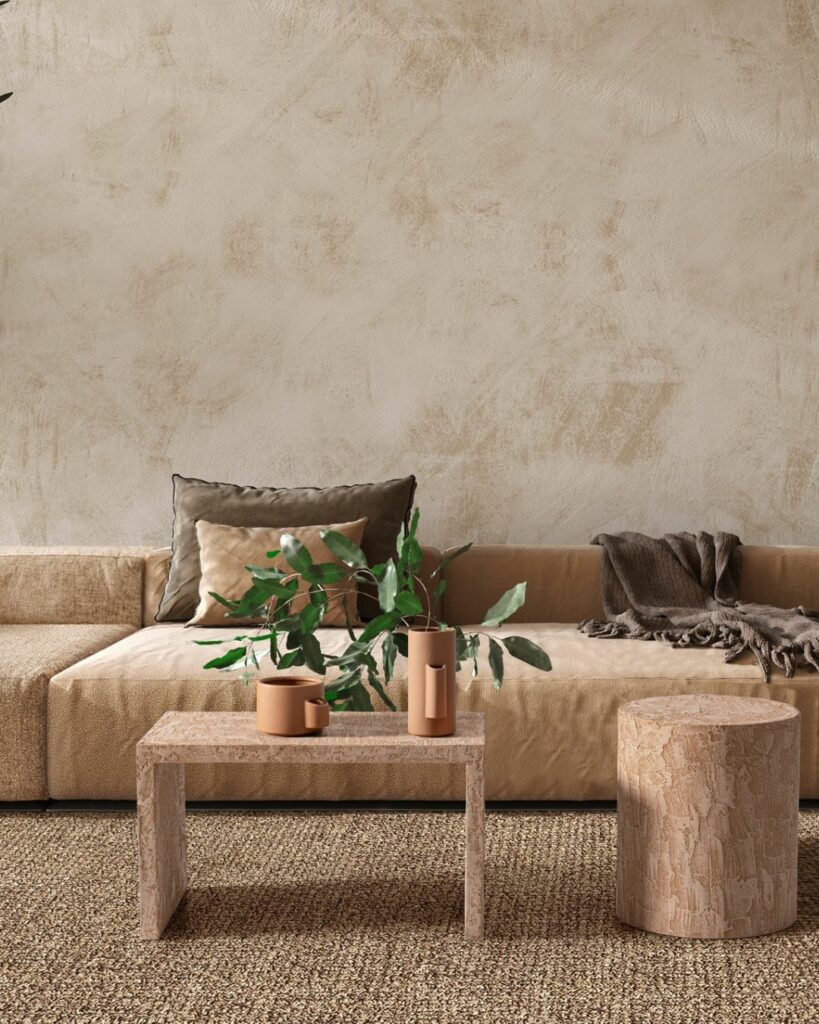
Noble, sensorial materials are favored: wood with visible grain, textiles with irregular fibers, leather with a patina, cork that's soft to the touch. Rigid lines are followed by enveloping volumes. Each piece seems to have grown there, like an element of an interior landscape, designed to soothe without ever boring.
The chromatic palette is rooted in the earth - ochres, moss greens, clay beiges - and the play of light is muted and subdued, often filtered through natural materials like linen or washi paper.
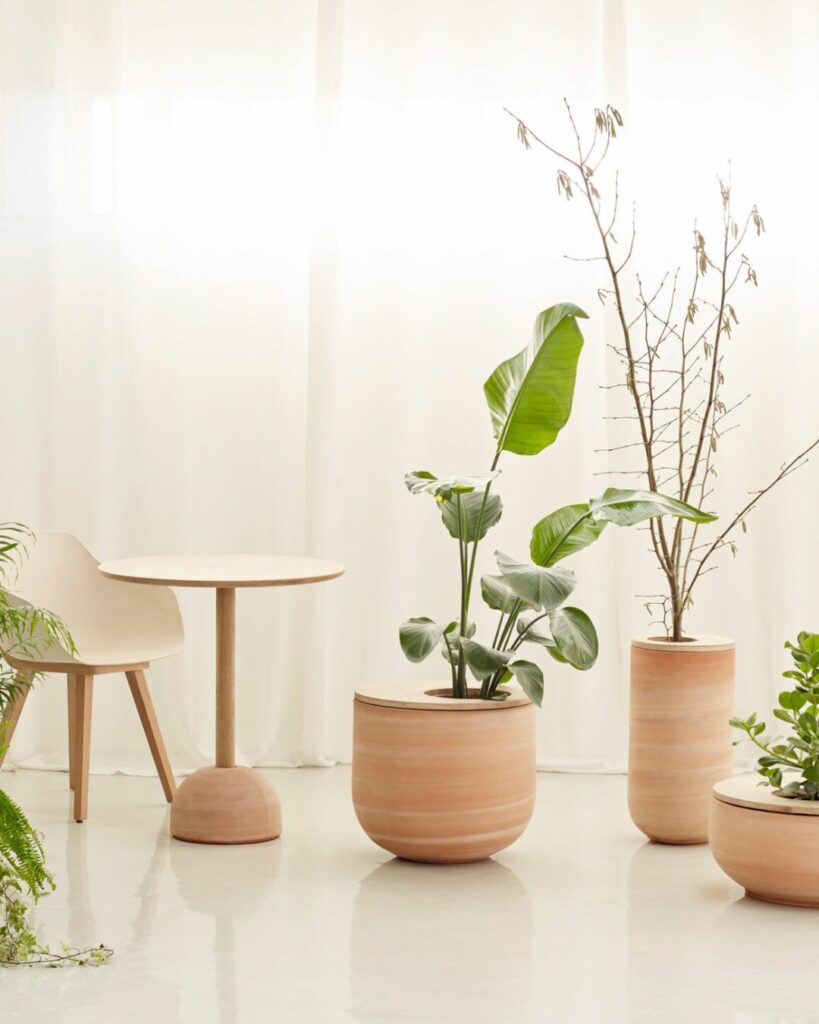
Plants make their presence felt without ostentation: planted walls, partitions, aerial suspensions. Their presence is not decorative, but structuring, providing visual breathing space that encourages concentration and serenity.
Furnishings and decor that fit naturally into workspaces
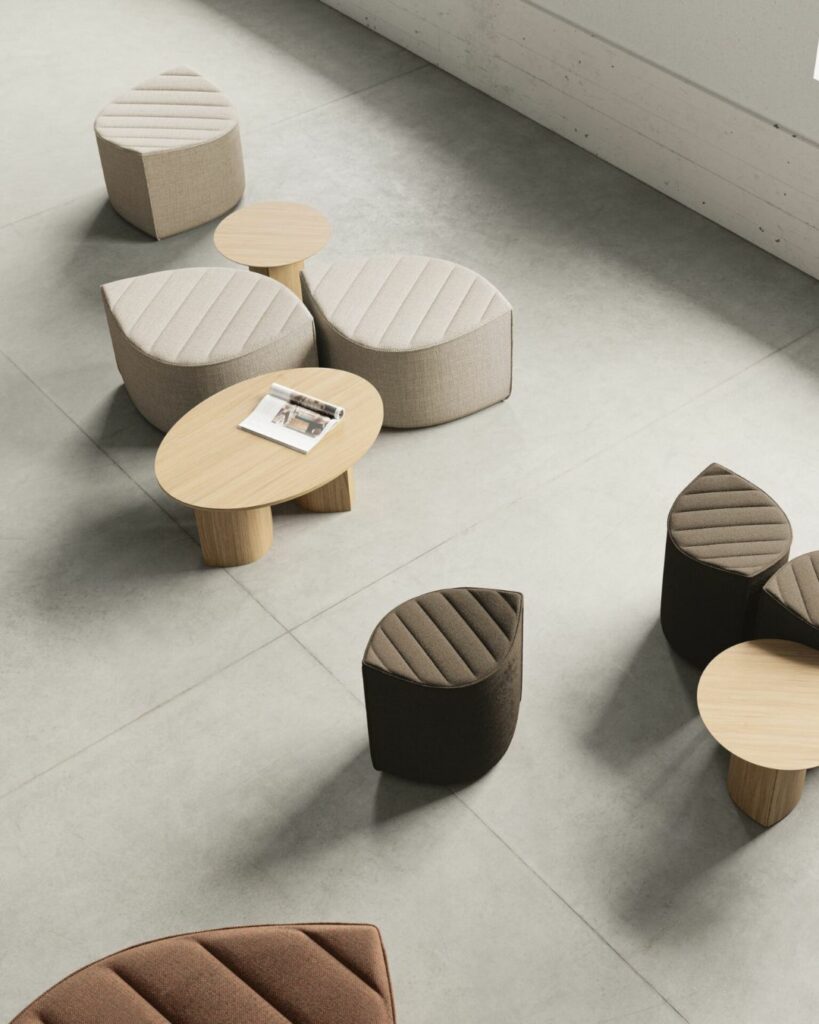
In an open space, a meeting room or an individual office, the fluid morphology of furniture inspired by organic design embraces movement, promotes ergonomics and encourages a more natural, almost intuitive posture.
Beyond aesthetics, this design questions the way we occupy space: what if furnishings could become a lever for well-being, creativity and even ethics? By choosing sustainable materialsBy choosing sustainable materials, promoting craftsmanship and rethinking uses, this design weaves a new link between ecology and performance.
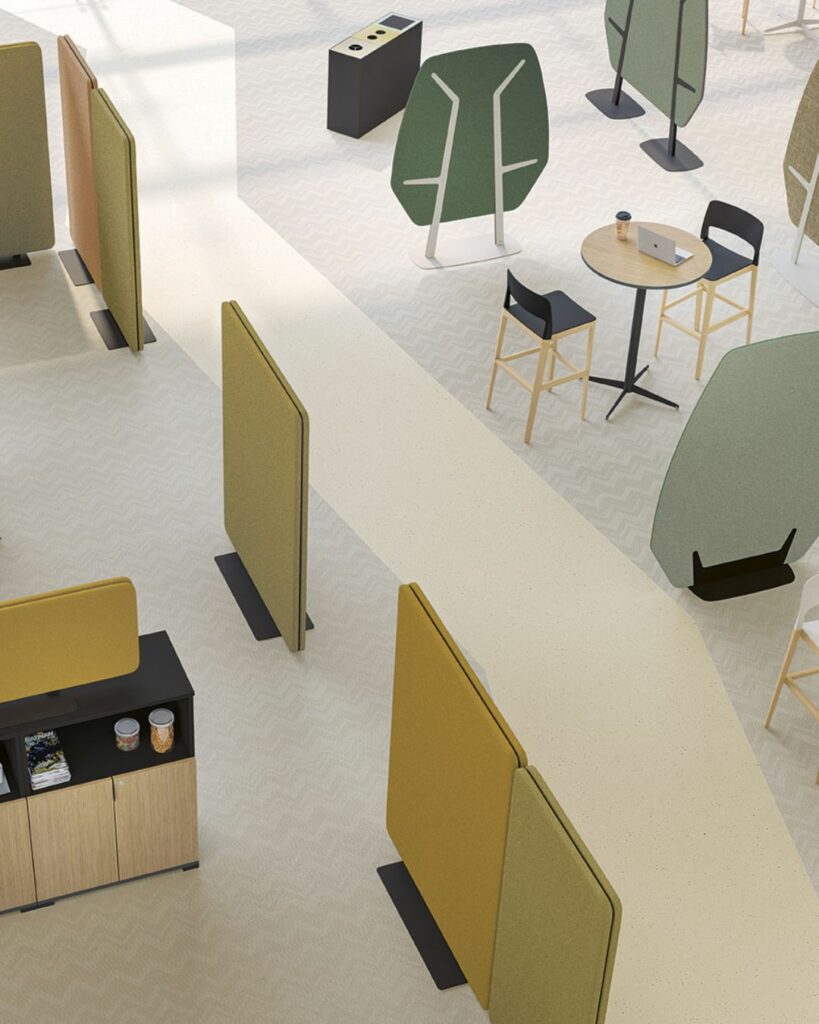
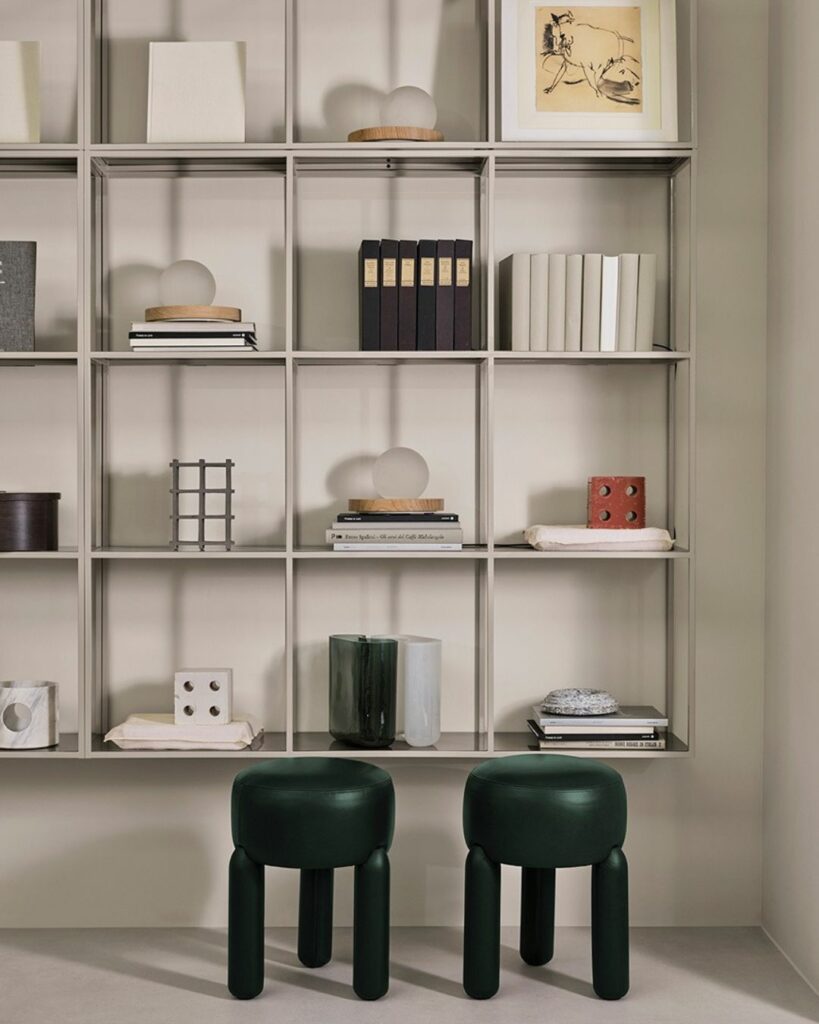
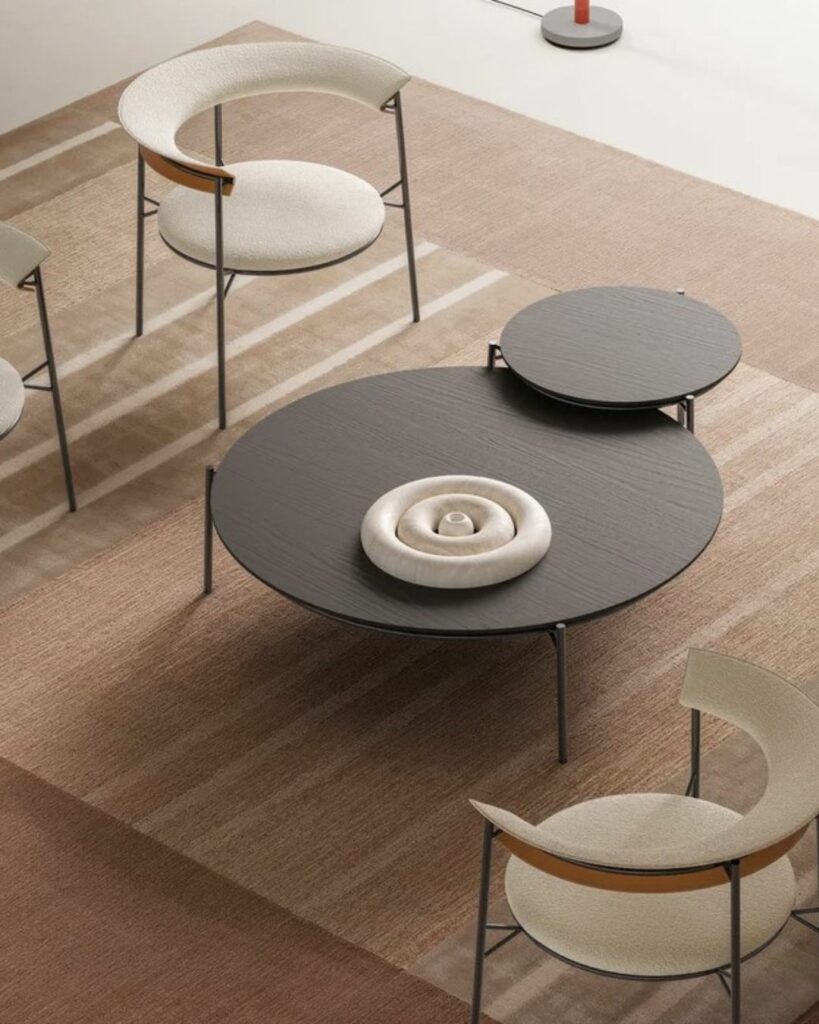
Our inspirations for introducing a touch of organic design into workspaces
It's up to you to reinvent them, mix them up or turn them on their head!
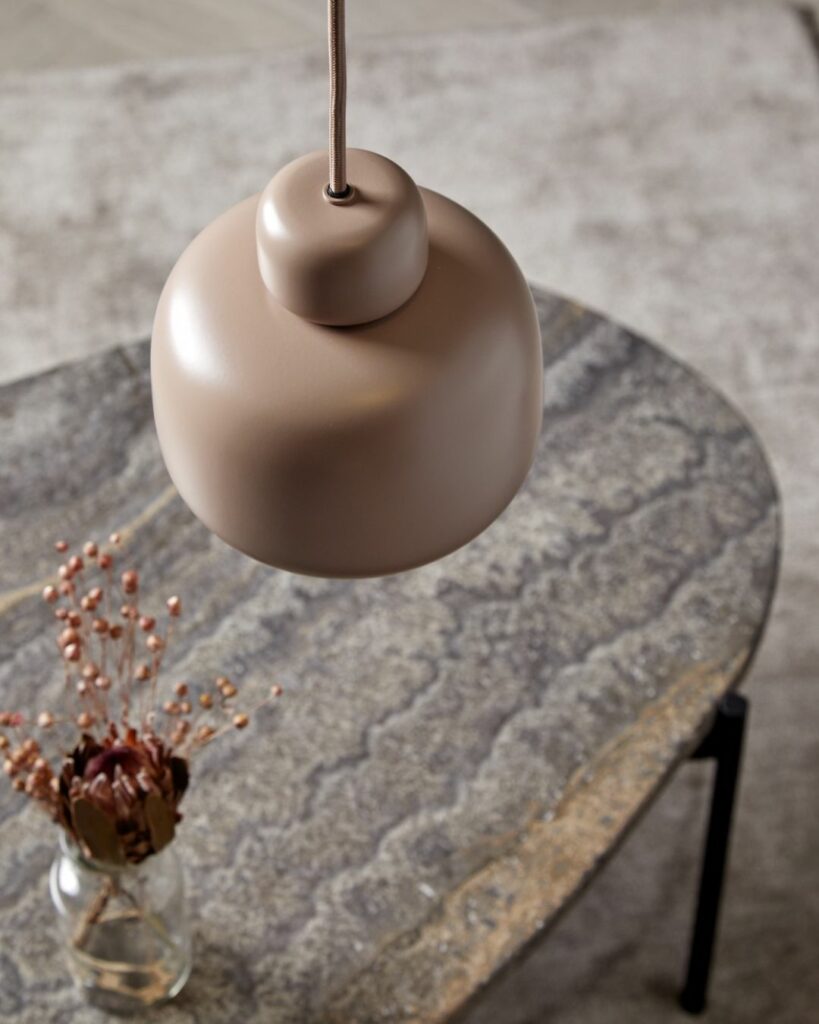
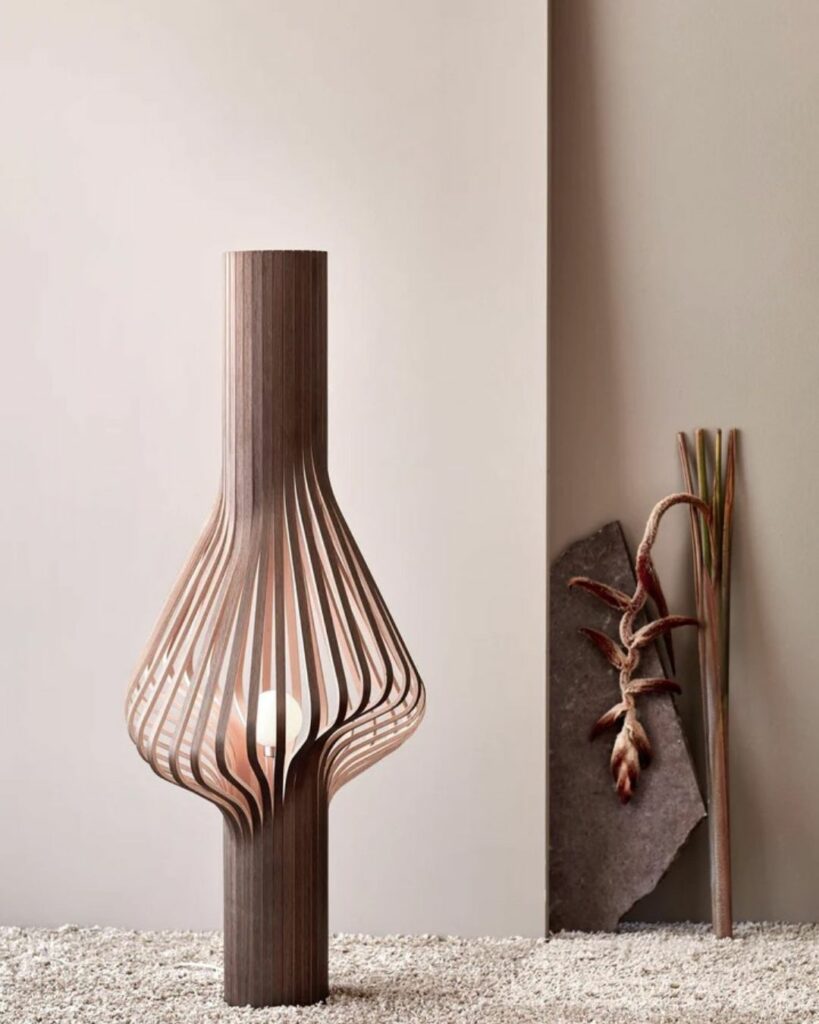
- Favor soft, rounded shapes: oval tables, cocoon armchairs, lighting fixtures with undulating silhouettes.
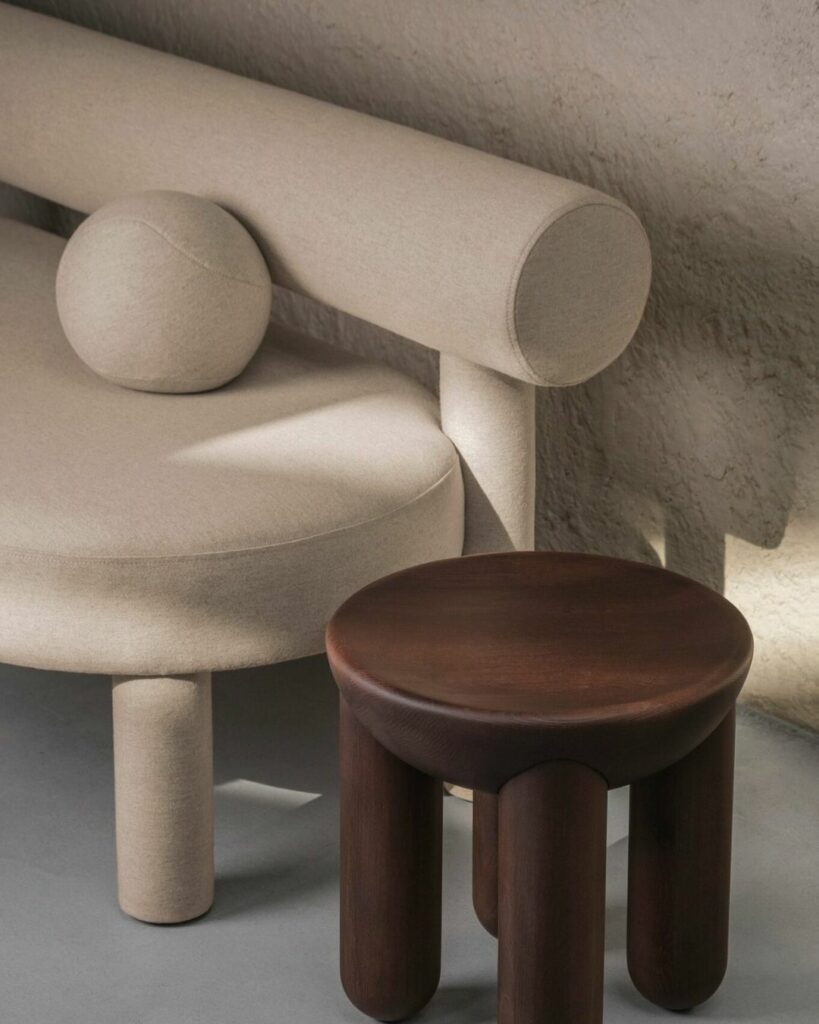
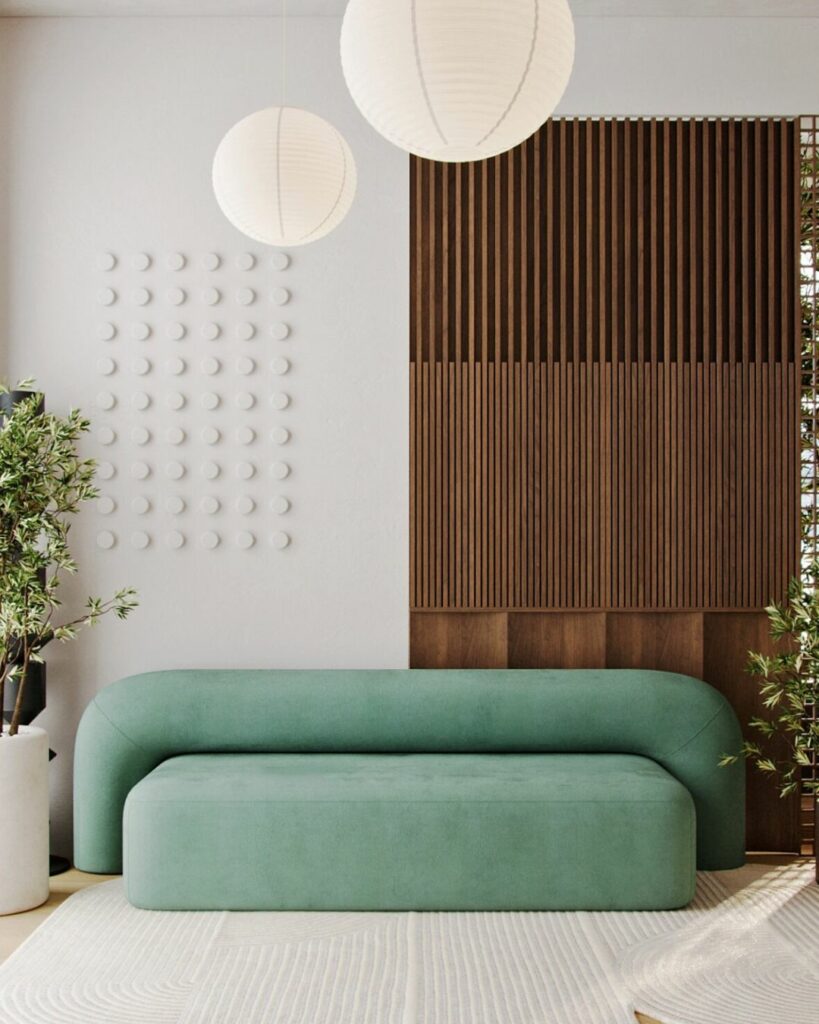
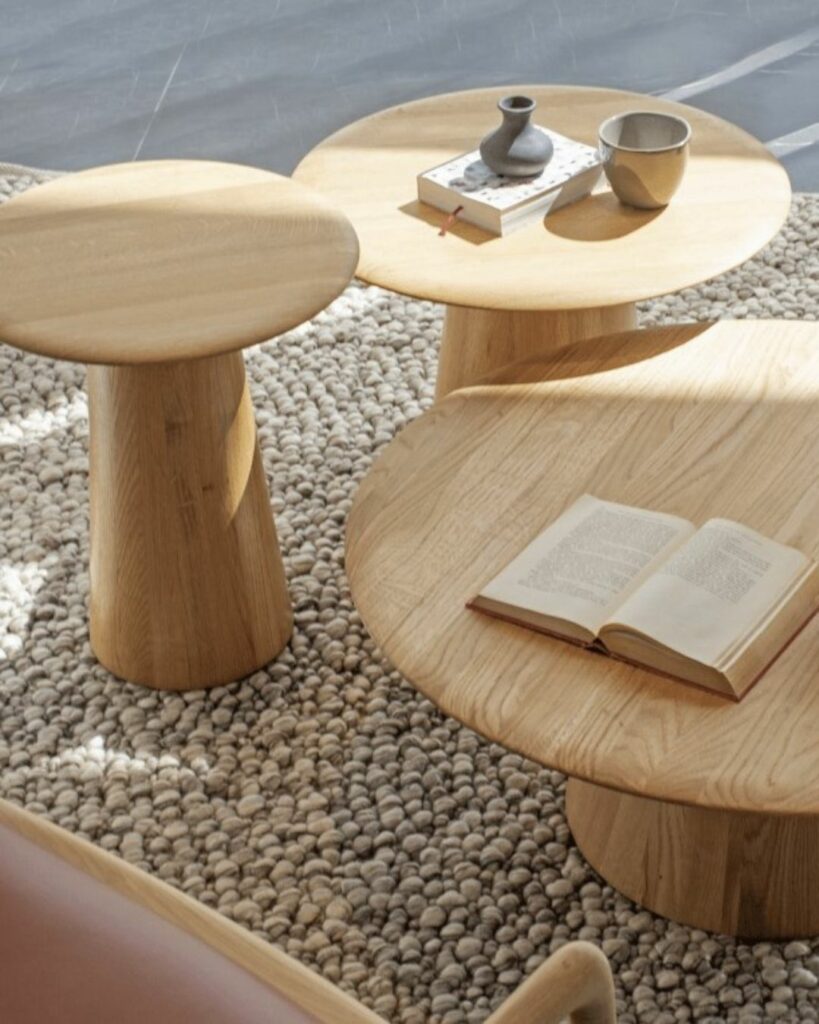
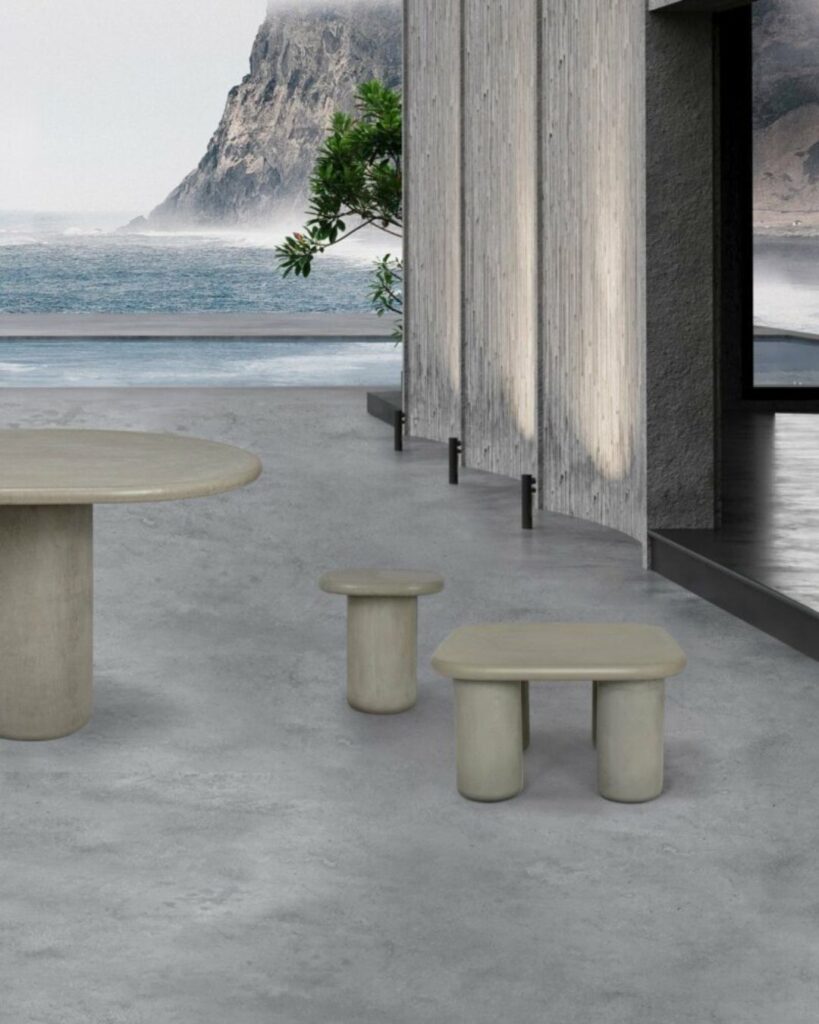
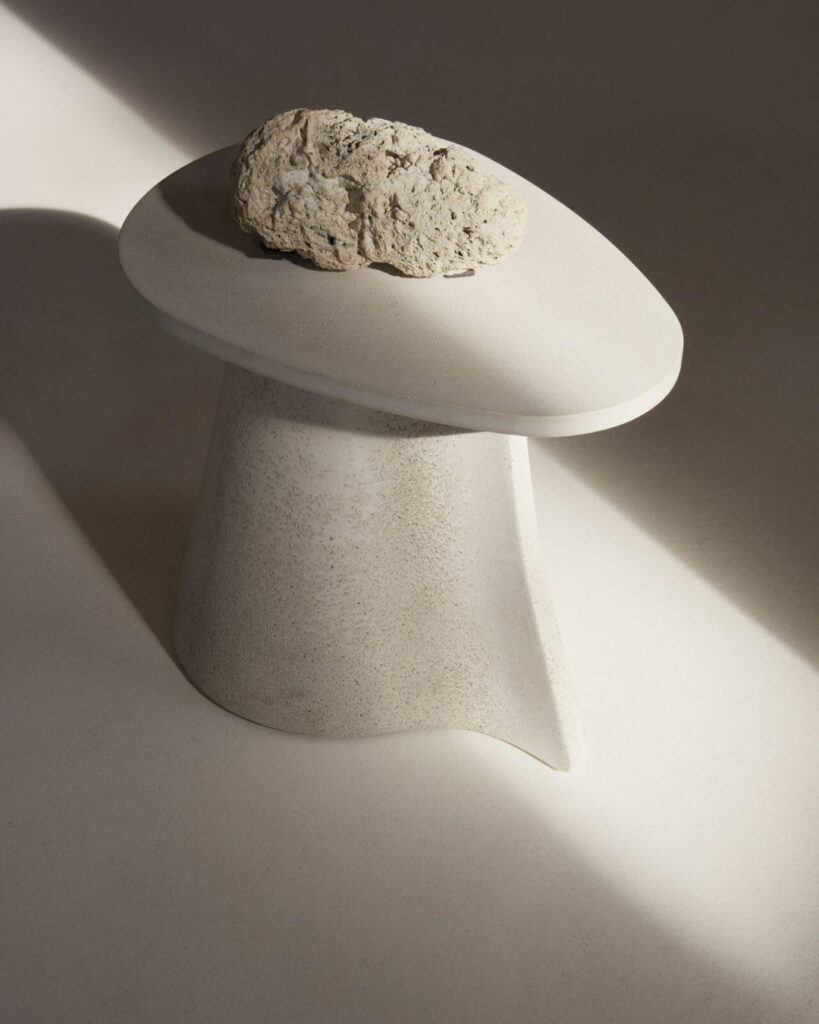
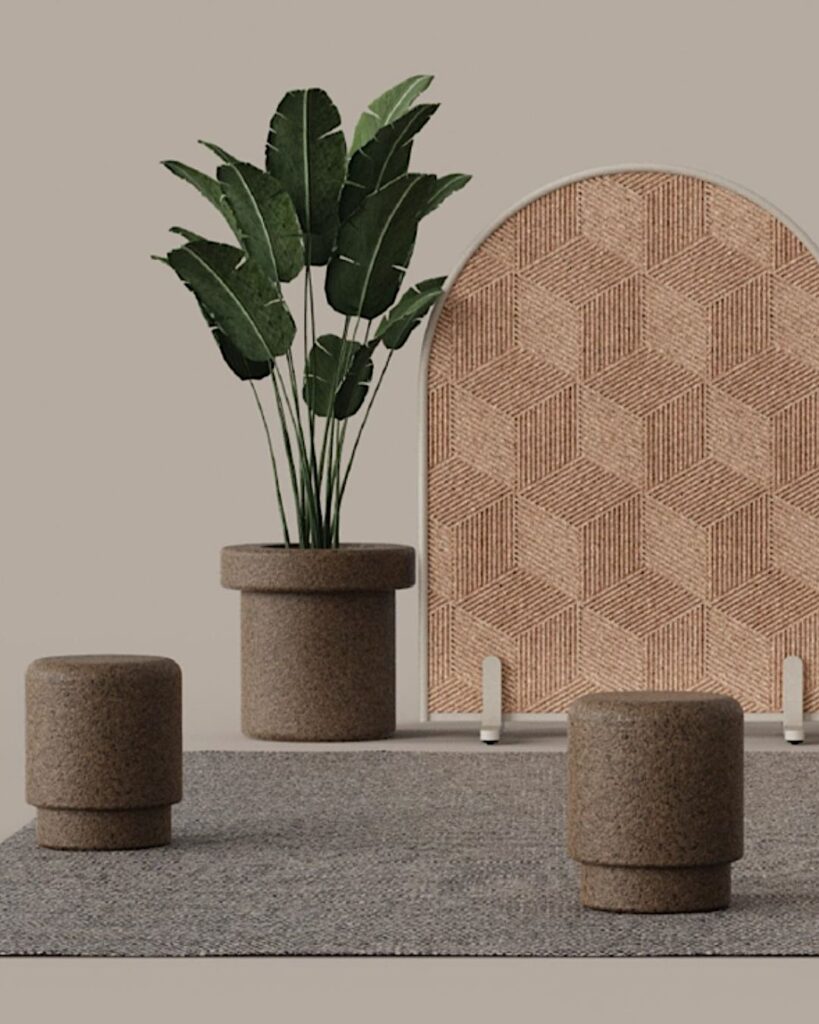
- Use raw or natural materials: untreated wood, stone, terracotta, wicker, cork...
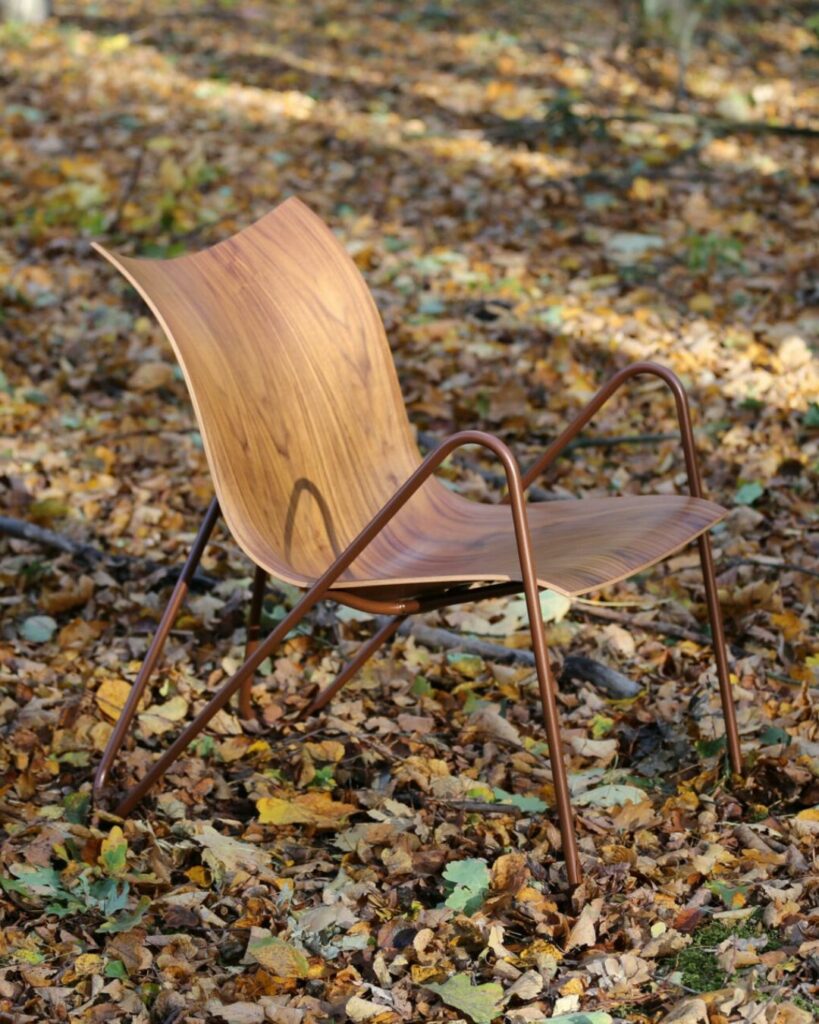
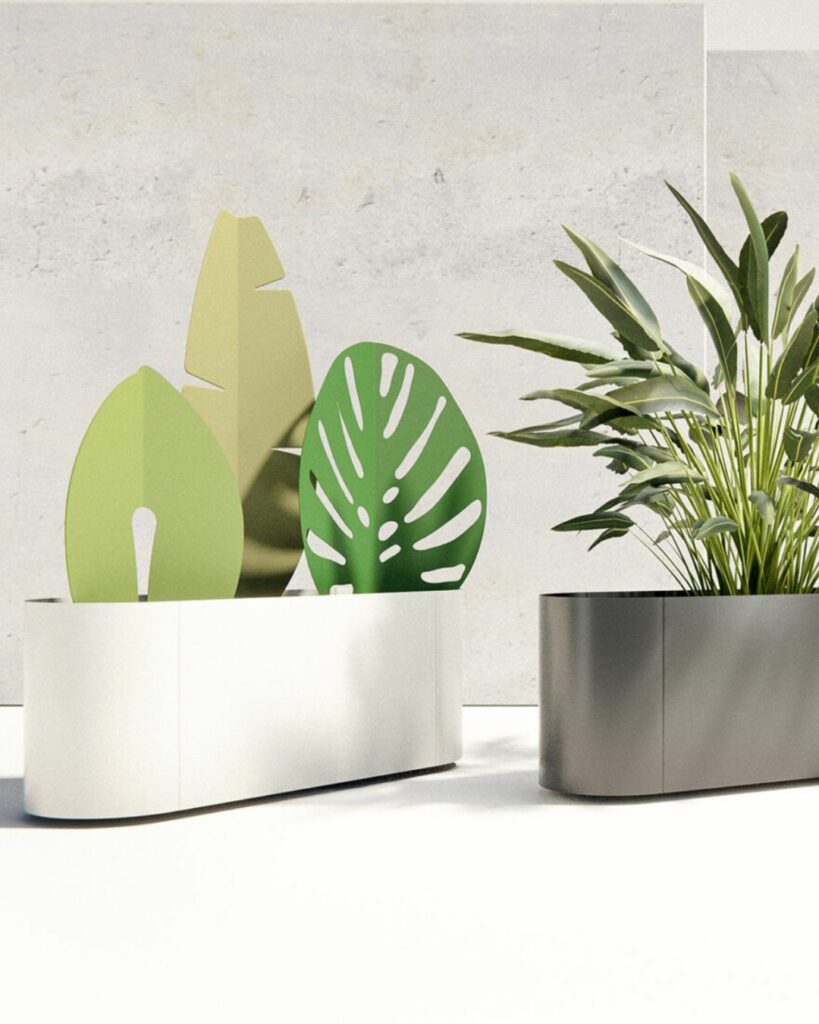
- Add plants of different sizes and create plant dividers. Even a few well-chosen pots can transform a room.
- Choose fixtures made from organic materials: bamboo, rattan, paper.
- Design relaxation zones to let go, with low seating, soft textures and a hushed ambience.
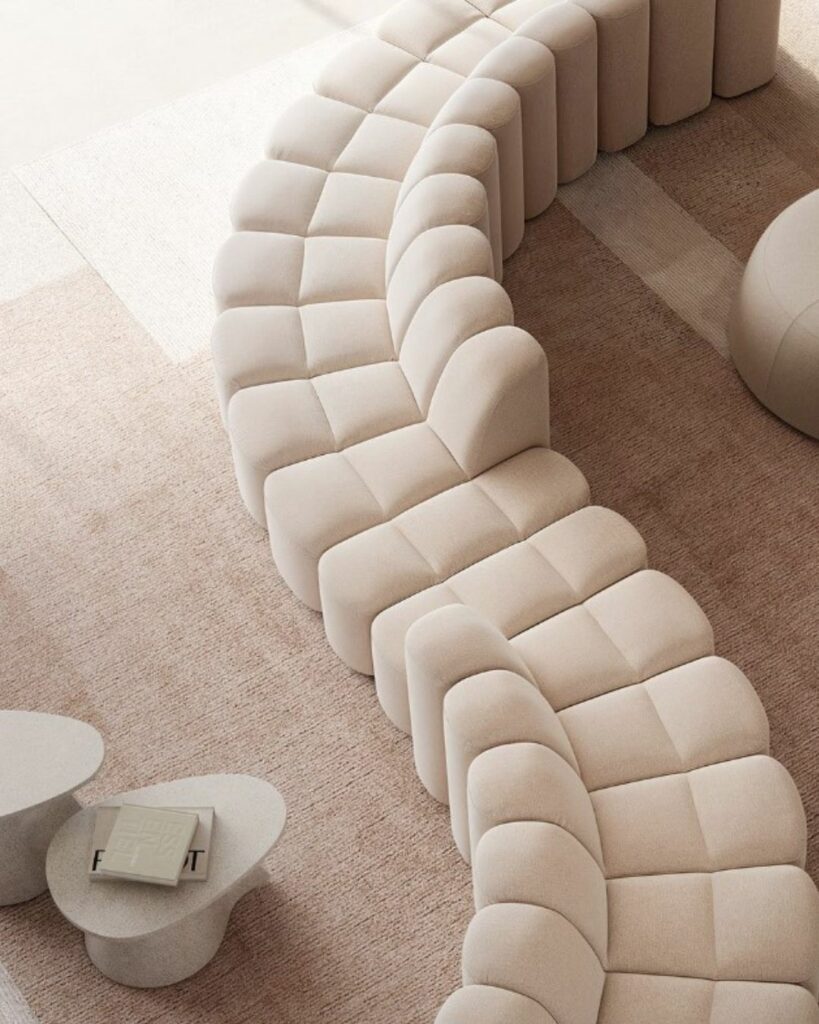
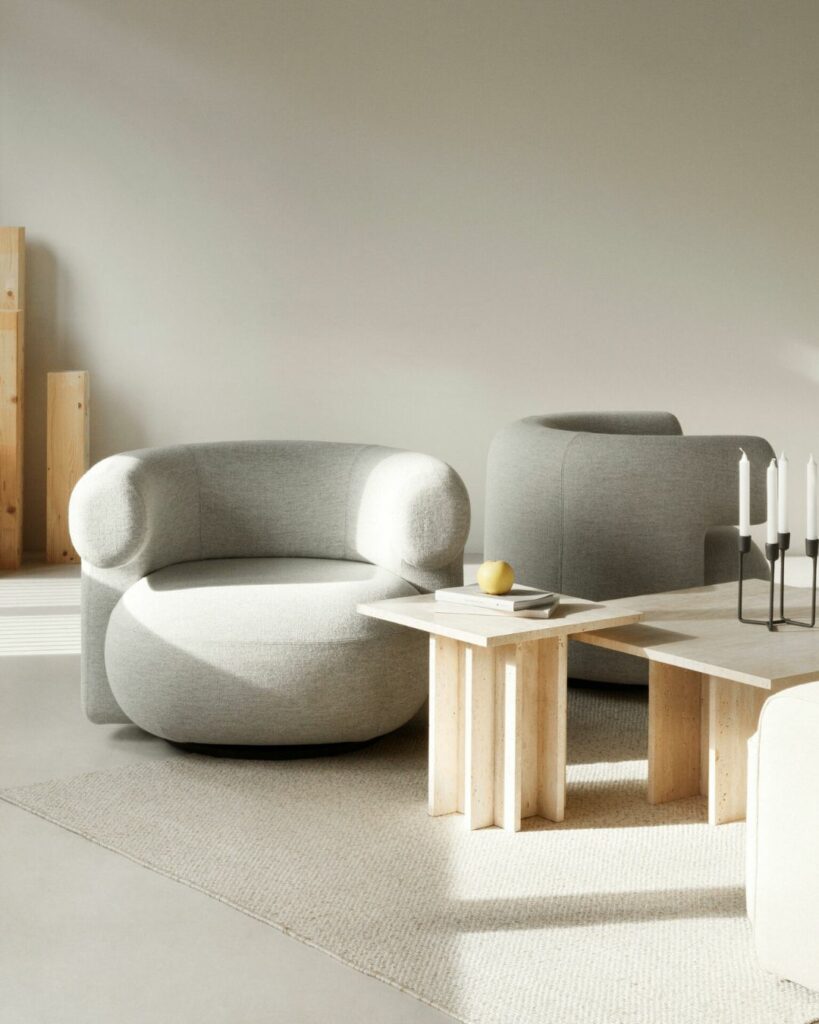
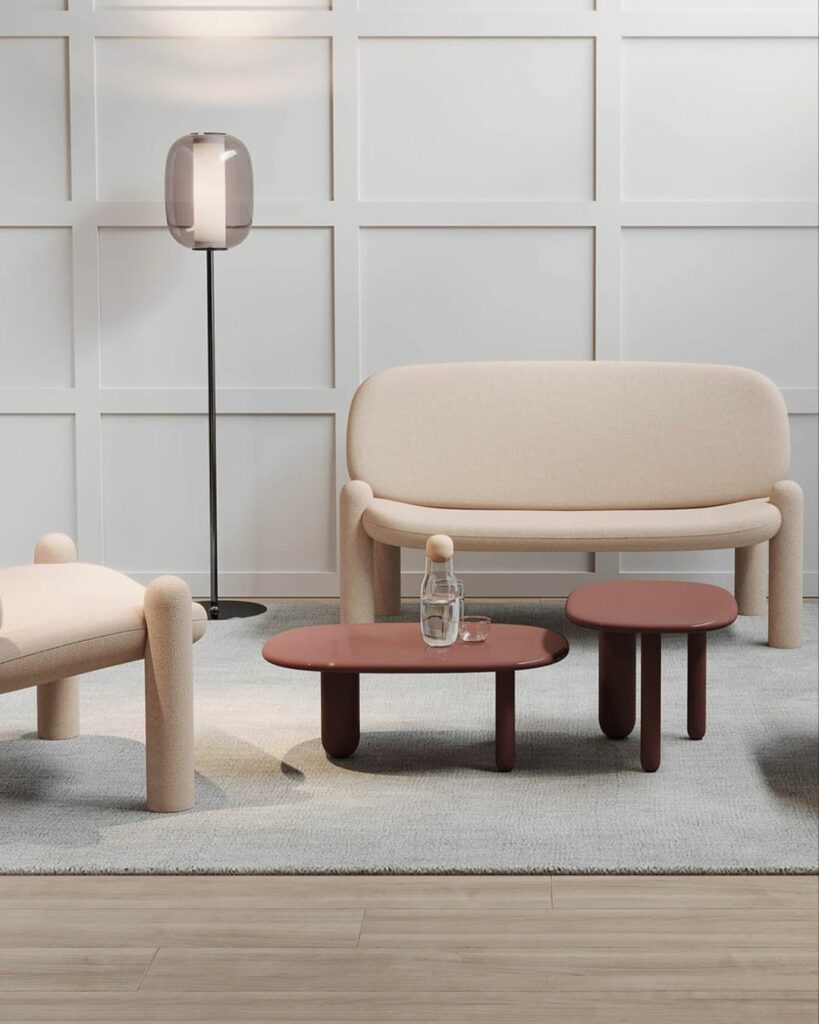
Seating and tables Ostoa by Akaba
Table Terra Cubo by Casual Solutions
Table Haaki by Muundo
Pouf Gino by Méridiani
Chair Cantle by MDF Italia
Screens Tamaris by Clen
Sofa Gropius by Noom
Sofa Moss by Artu
Tables Mushroom by Gazzda
Table bassel Fossil by MDF Italia
Armchair Peel by Vank Design
Terra table by Woud
Lur pots by Alki
Mario pot by Greenmood
Naka dividers by Made Design
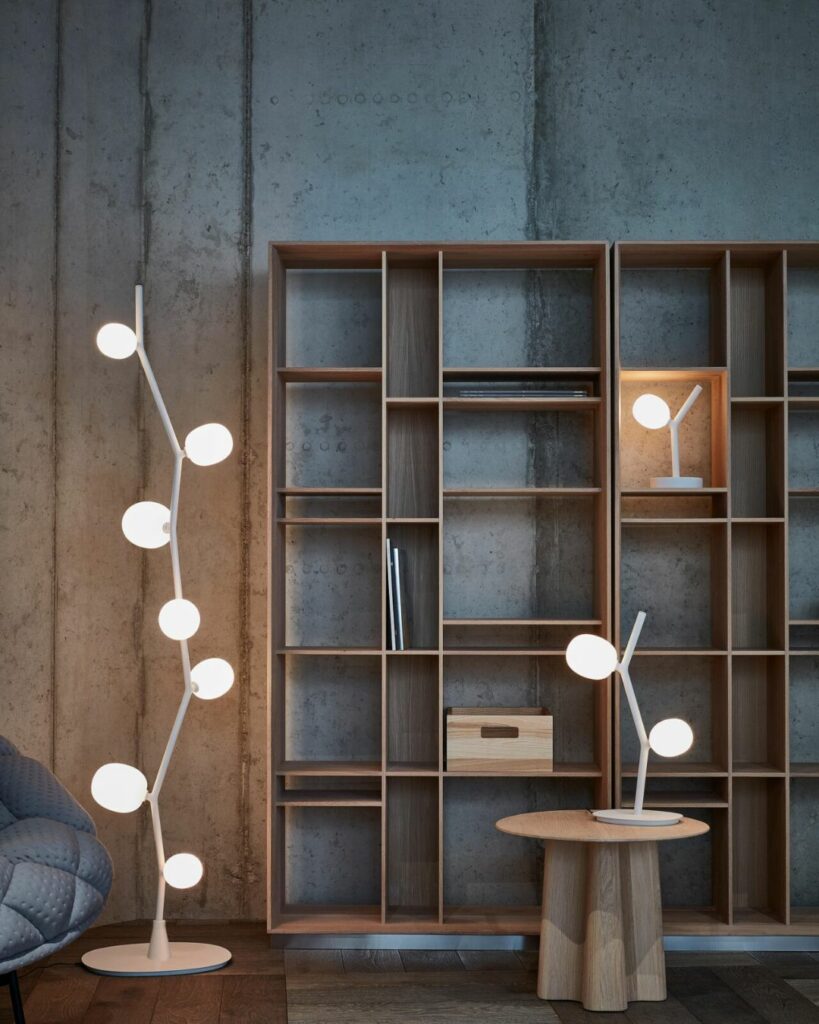
Ivy floor lamp by Brokis
Diva lamp by Nothern
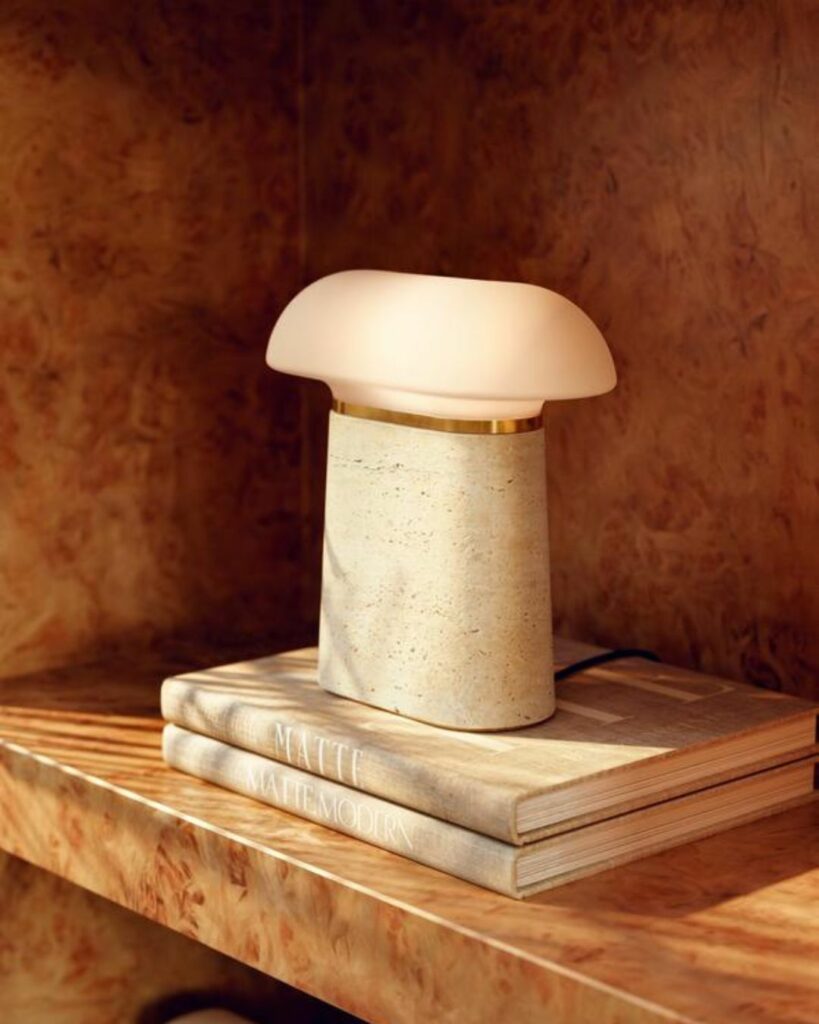
Nova table lamp by Woud
Burra armchair by Normann Copenhagen
Tottori sofa by Driade
Array sofa by MDF Italia