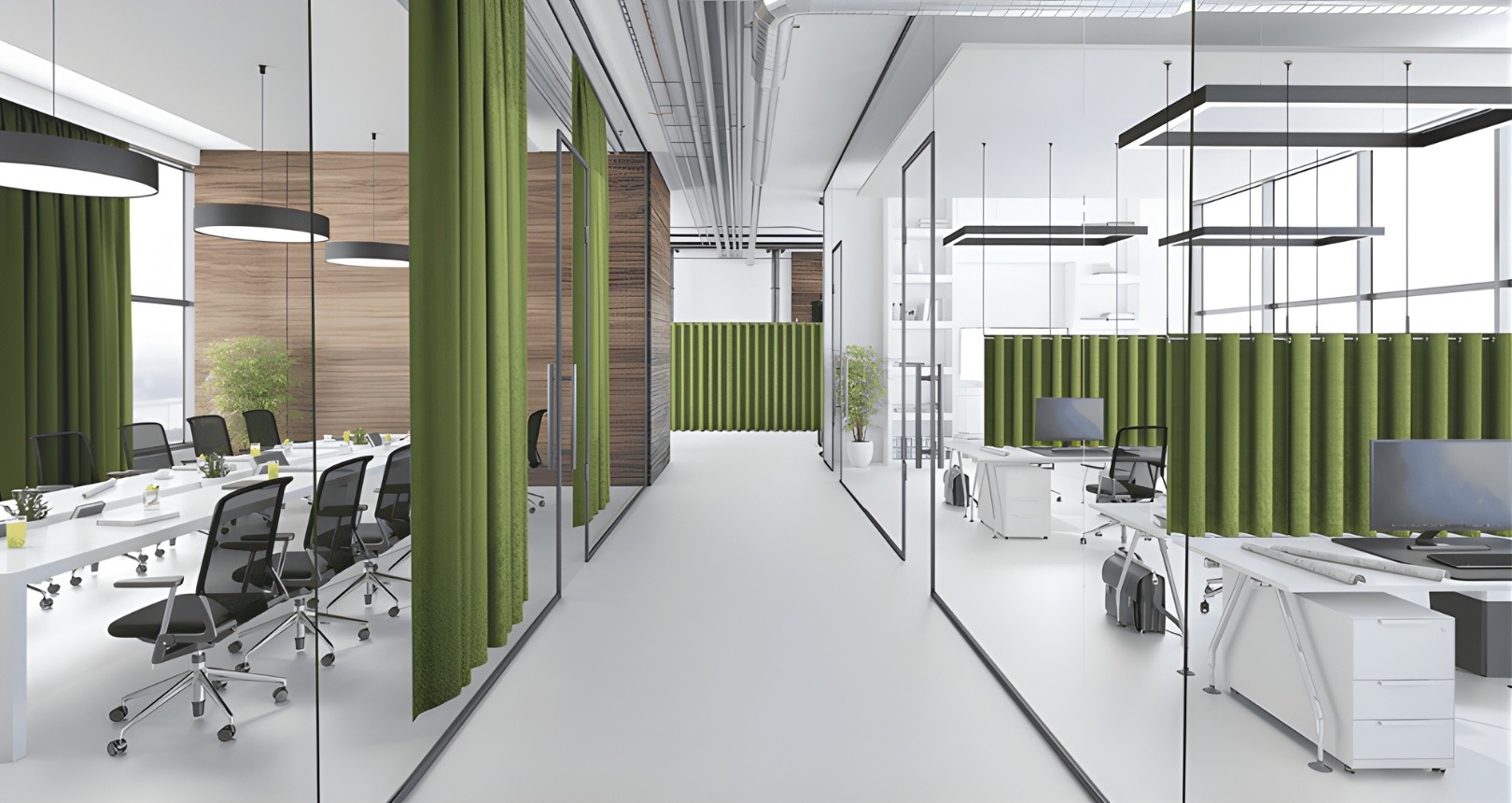
Designing flex-office and coworking spaces
Workspace design is undergoing a major revolution with the emergence of the "flex-office" and "coworking" concepts. Indeed, between 2017 and 2021 alone, flex-office space rose from 6% to 16% in France. This growth is not about to stop, as more and more companies plan to take the plunge.
This model, far removed from traditional office organization, offers greater flexibility, adapting workspaces to employees' changing needs. At a time when telecommuting and new technologies are redefining our relationship with work, flex-office is a modern, innovative solution.
So how do we adapt to this change, which is sometimes destabilizing, but also full of promise?
.
What is the flex-office?
The flex-office, or flexible office, is an approach to office design in which employees no longer have fixed workstations. Instead, they choose the workspace that best suits their activities and needs on a daily basis. This model is based on several key principles:
- No dedicated offices: employees don't have a fixed place, but use different spaces depending on their tasks.
- Modular spaces: offices are equipped with modular furniture and equipment that can be reconfigured.
- Technology: the use of advanced technologies for space reservation, connectivity and collaboration.
- Dedicated zones : specific areas for particular activities, such as meeting rooms, relaxation areas, collaborative spaces, and concentration zones.
Coworking is based on the same principle, with the difference that the people working in these spaces are not part of the same company. Freelancers, start-ups and large corporations share premises to make them places where they can meet and exchange ideas. In terms of layout and furniture, the challenges are the same as for the flex-office.
.
Advantages, disadvantages and challenges of coworking and flex-office spaces
The advantages of these new work organizations are numerous:
- Space optimization: By eliminating fixed workstations, companies can optimize the use of their space, reducing real-estate costs.
- Flexibility and agility: employees can choose the space best suited to their needs at the time, thus promoting greater flexibility, agility and autonomy in the workplace.
- Increased collaboration : the diversity of spaces encourages collaboration and informal exchanges between colleagues.
- Satisfaction and well-being : by offering a varied and adaptable work environment, flex-office can increase employee satisfaction and well-being, reducing stress and boosting productivity.
- Adapting to new forms of work : the flex-office enables us to better adapt to new practices, such as telecommuting or flexible working hours.
However, the implementation of flex-office can encounter certain obstacles:
- Depersonalization : this model can depersonalize spaces, affecting the sense of belonging to the company.
- Lack of habit: constant change can be a source of stress for employees.
- Confidentiality: the open nature of flex-office can pose problems in terms of data security and confidentiality of discussions.
- Dematerialized exchanges: poorly designed, these offices can encourage e-mail exchanges rather than direct conversations between employees.
To successfully transform offices and working methods, layout and furniture play a fundamental role. It's a good idea to include employees in this process, from decision-making to implementation, through change management.
.
Our advice on layout and furniture for a successful transition to flex-office
Designing a flex-office or coworking space requires a tailor-made approach. Indeed, this model implies careful consideration of the layout of diverse spaces, adapted to different activities (areas for meetings, collaboration, relaxation, concentration, confidentiality...).
From ergonomic seating to modular desks, each piece of furniture contributes to shaping the experience of your users, offering them an environment conducive to productivity and well-being.
Discover our selection of furniture for shared workspaces.
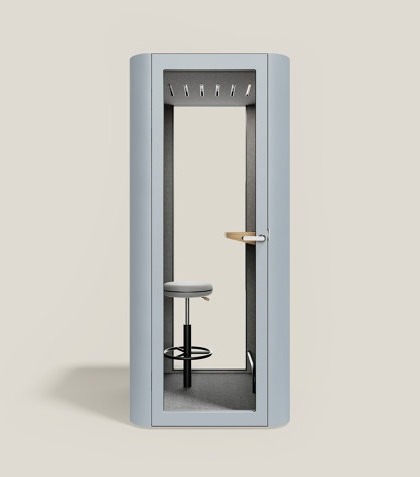
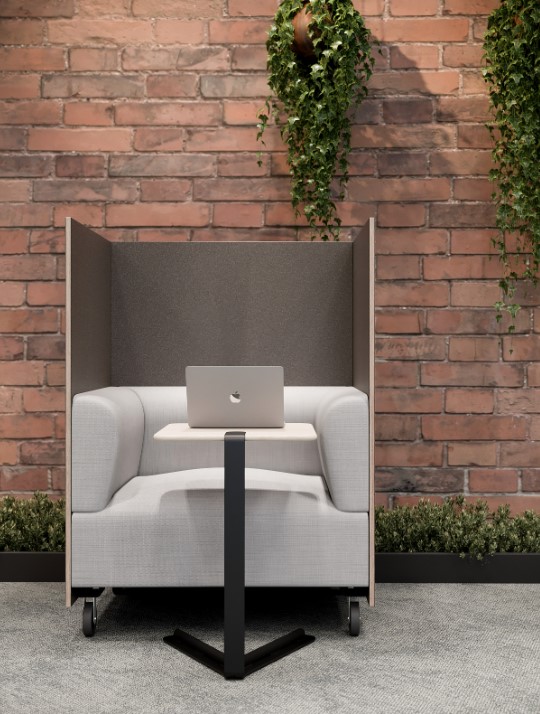
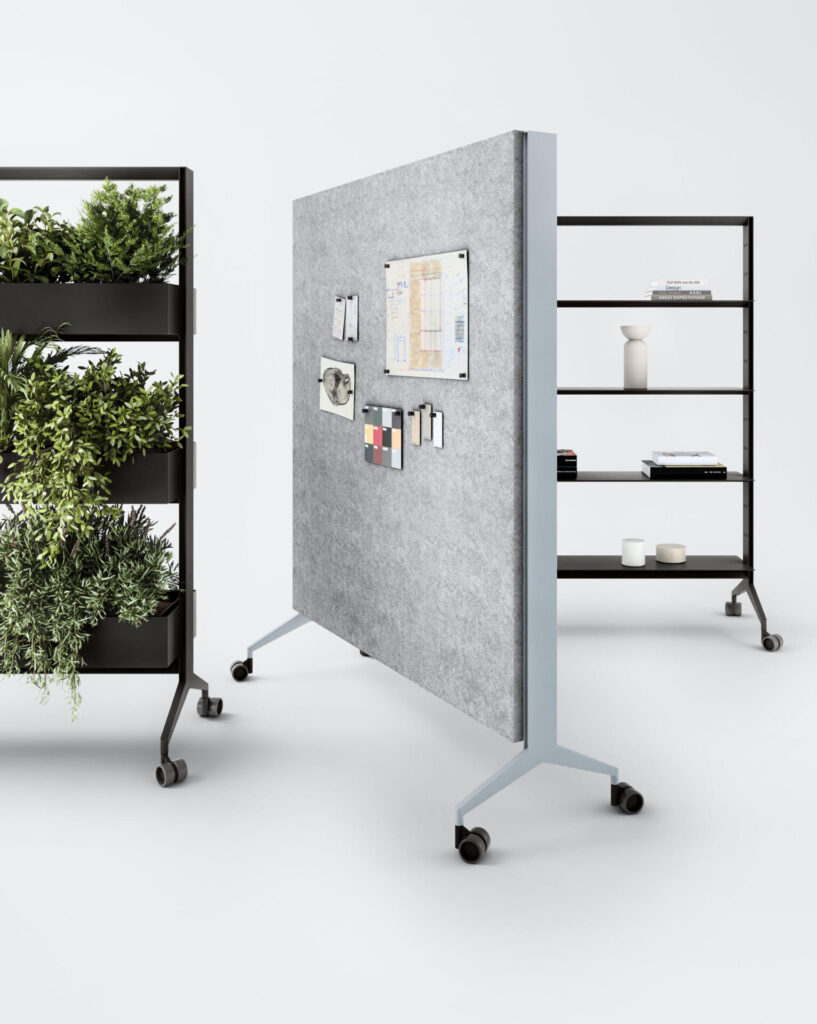
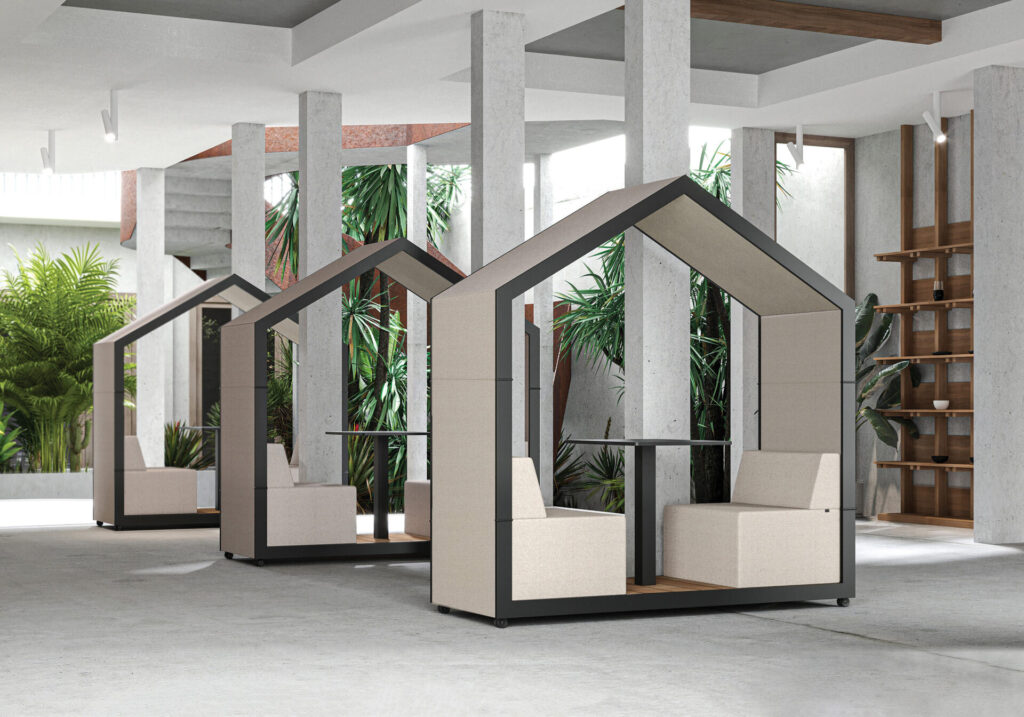
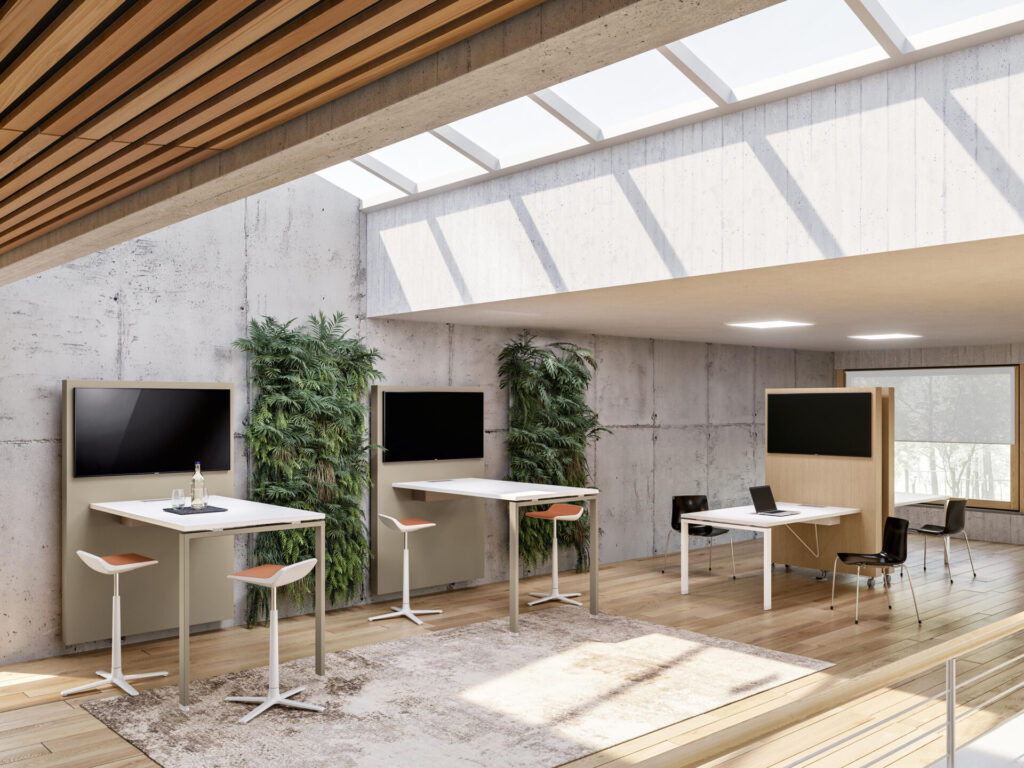
- Concentration areas : install booths for quiet telephoning or concentrating on a task(Space by Mute Design), comfortable cabins ideal for thinking and creating(Treehouse by Bejot), sofas on wheels that can be placed anywhere(Nomad by Connection), or movable partitions to create quiet, soundproof spaces(Aline work by Alias).
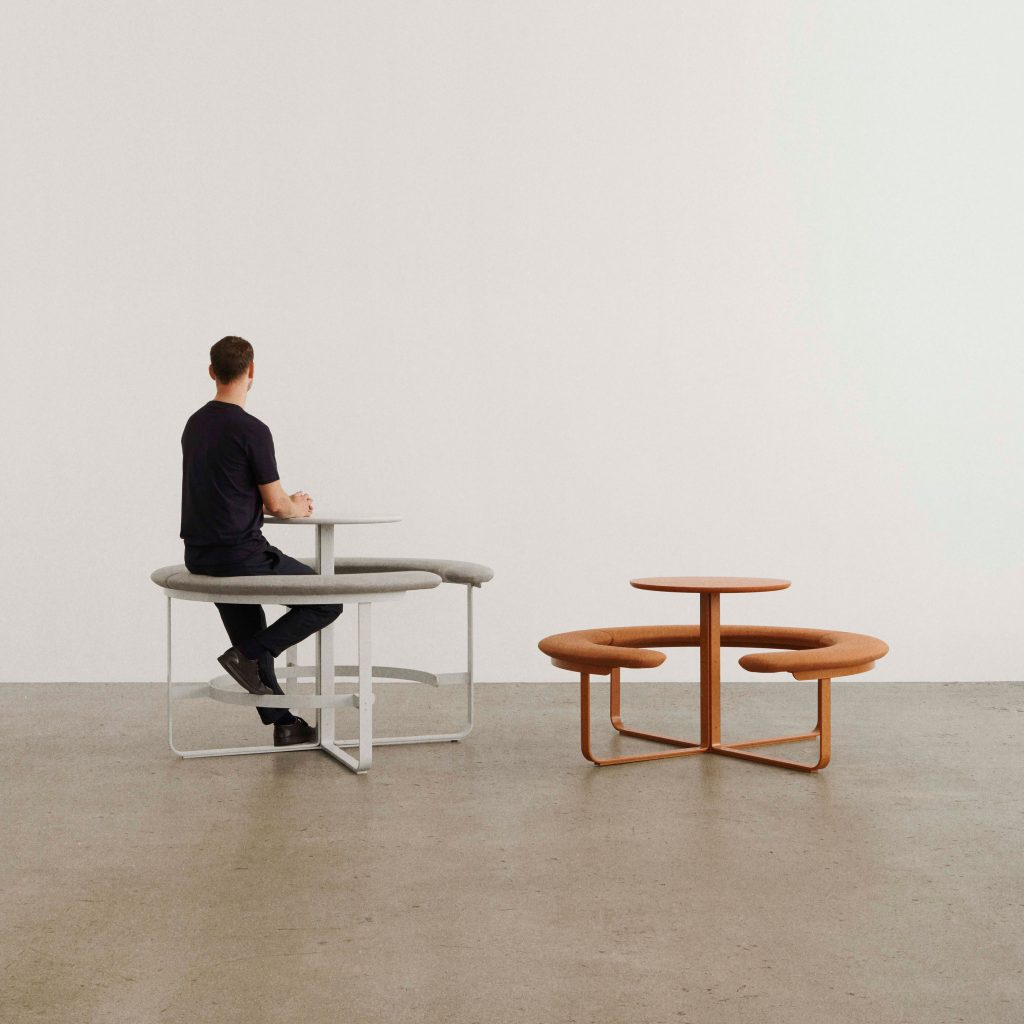
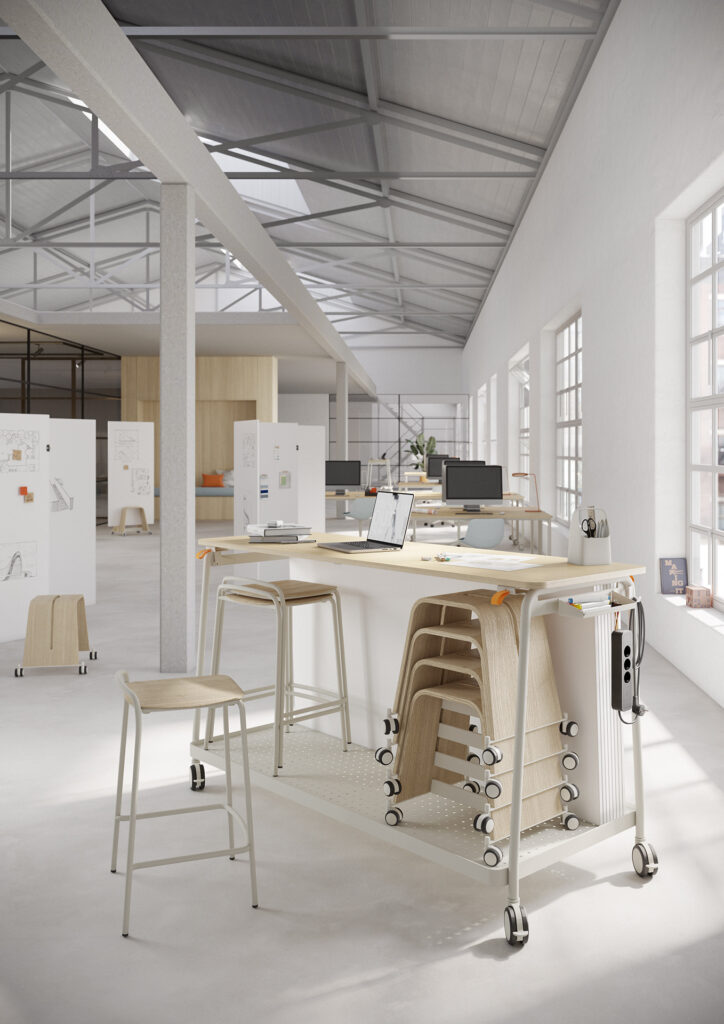
- Hybrid spaces : opt for multi-functional furniture to break away from traditional work standards, such as islands that allow you to sit alone or in a group(Workland by Las) or functional tables to adapt to all configurations and needs(Picnic by +Halle, Four Real by Four Design).
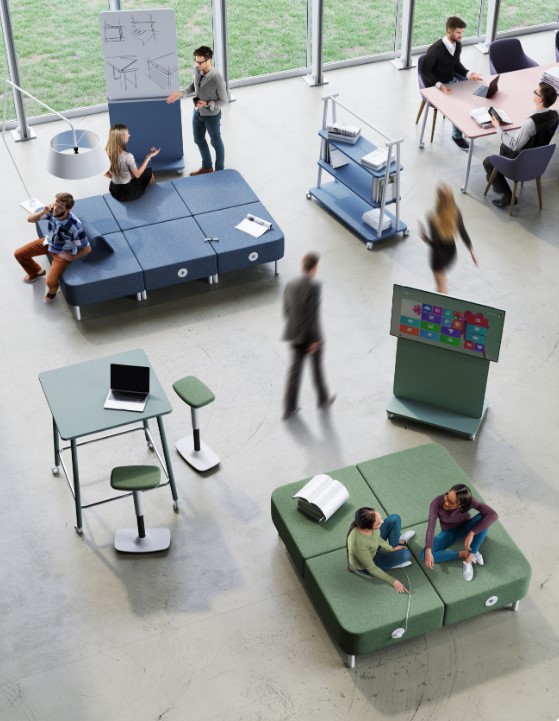
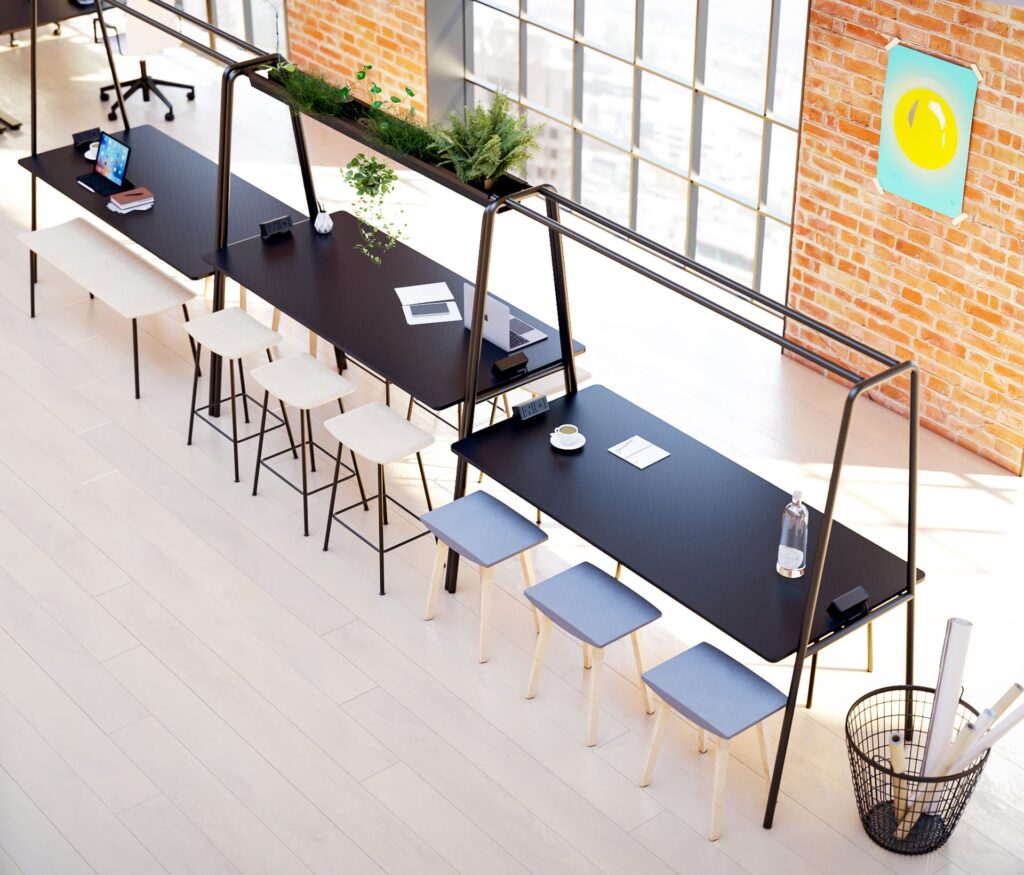
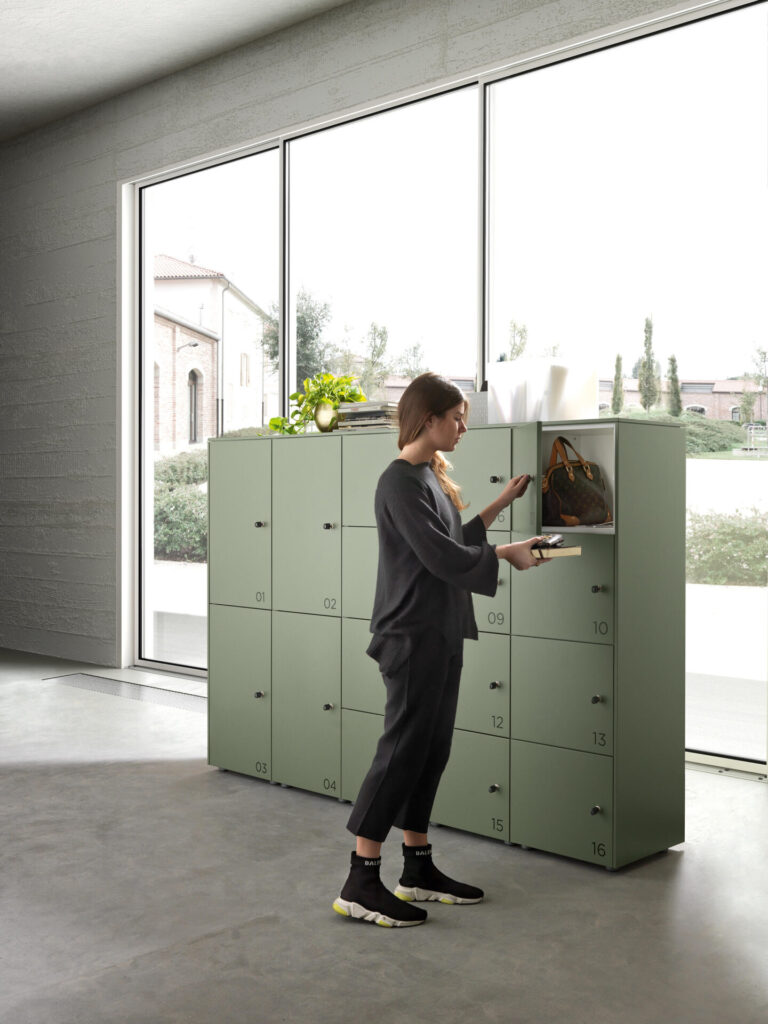
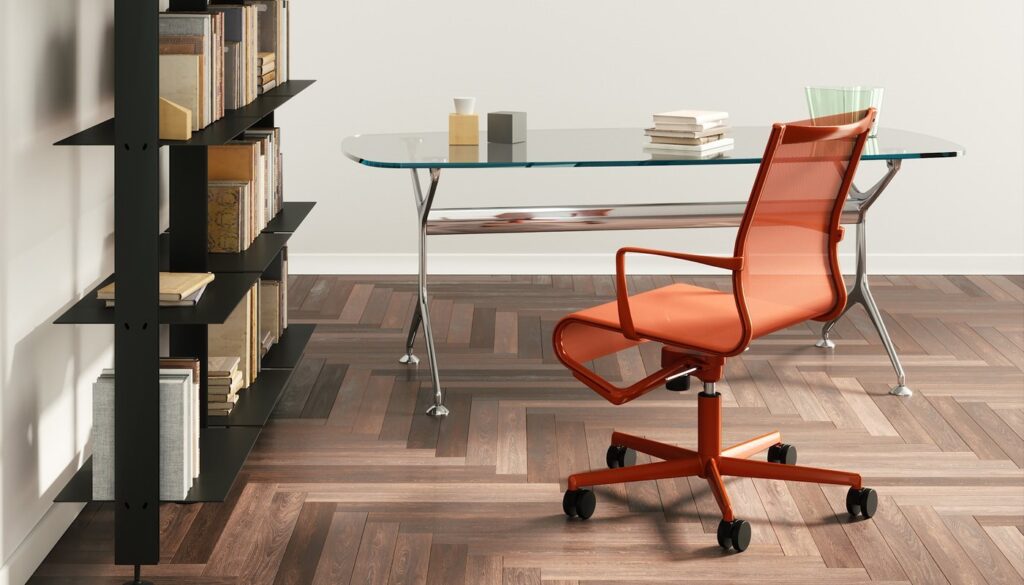
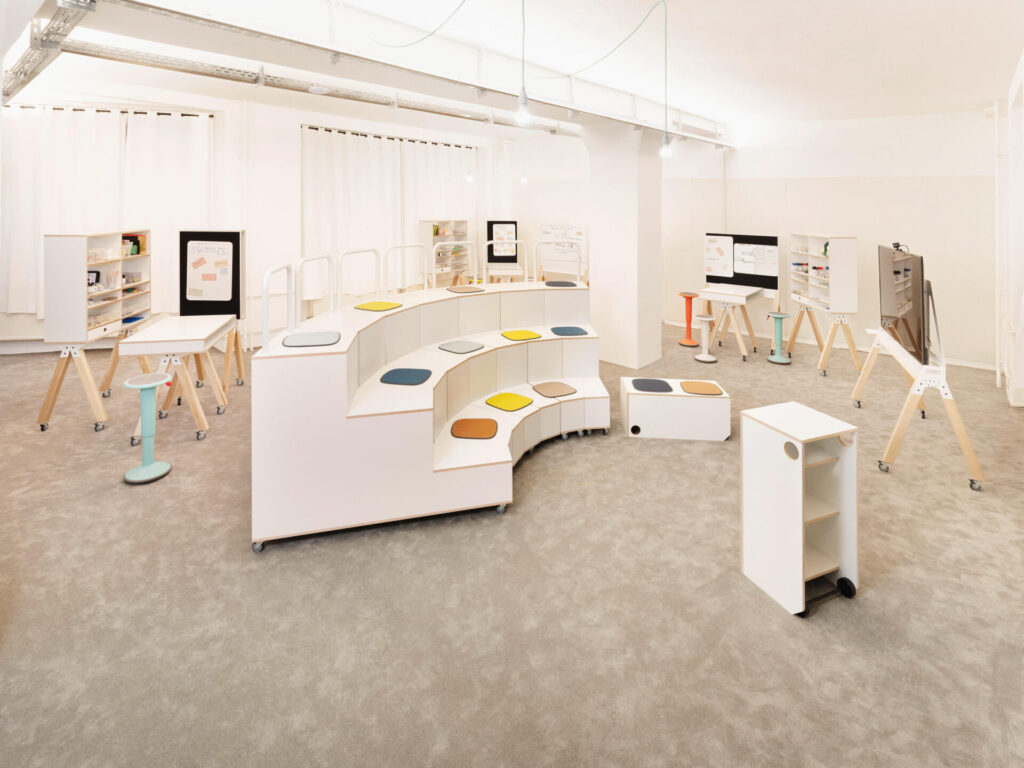
- Communal areas: choose furniture designed for collaboration, exchange and harmony, such as large multi-purpose tables(Wing by True Design), adjustable chairs with castors(Rollingframe by Alias), intelligent lockers(Galaxy by Martex), or ultra-functional all-in-one solutions(Boards by Brunner).
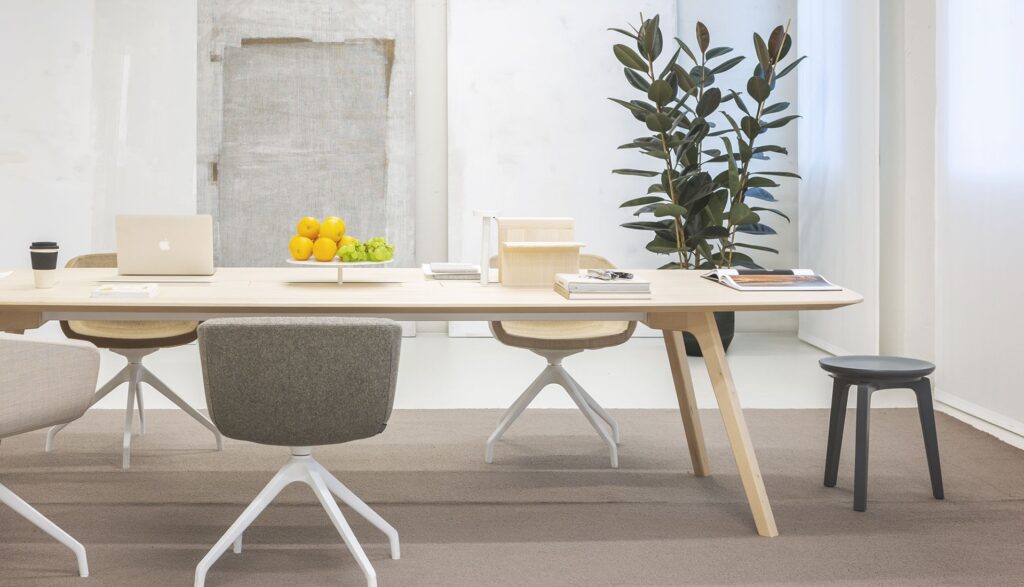
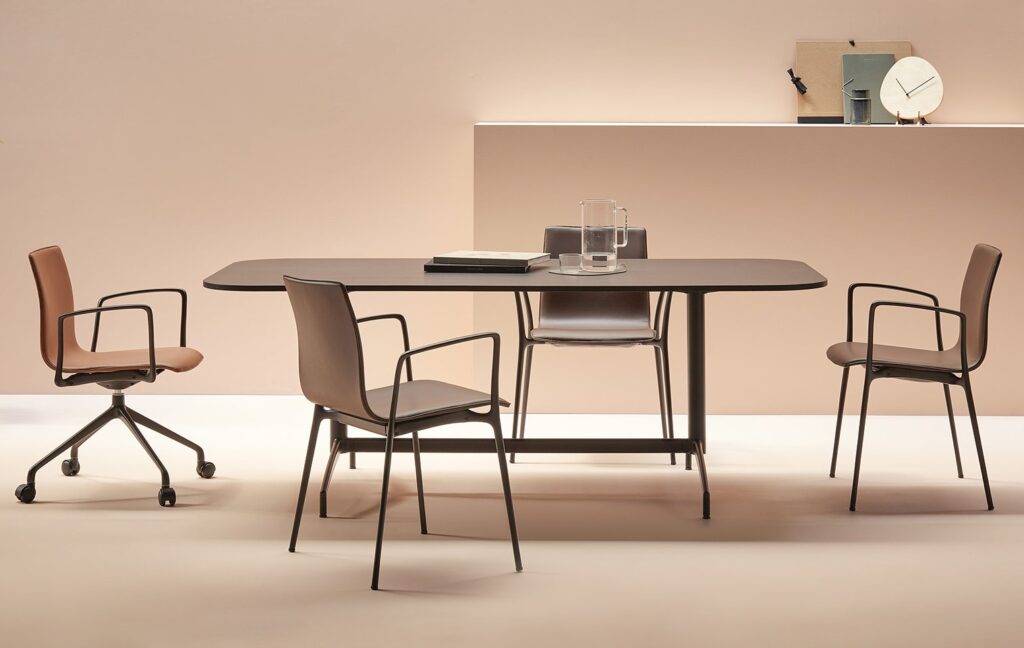
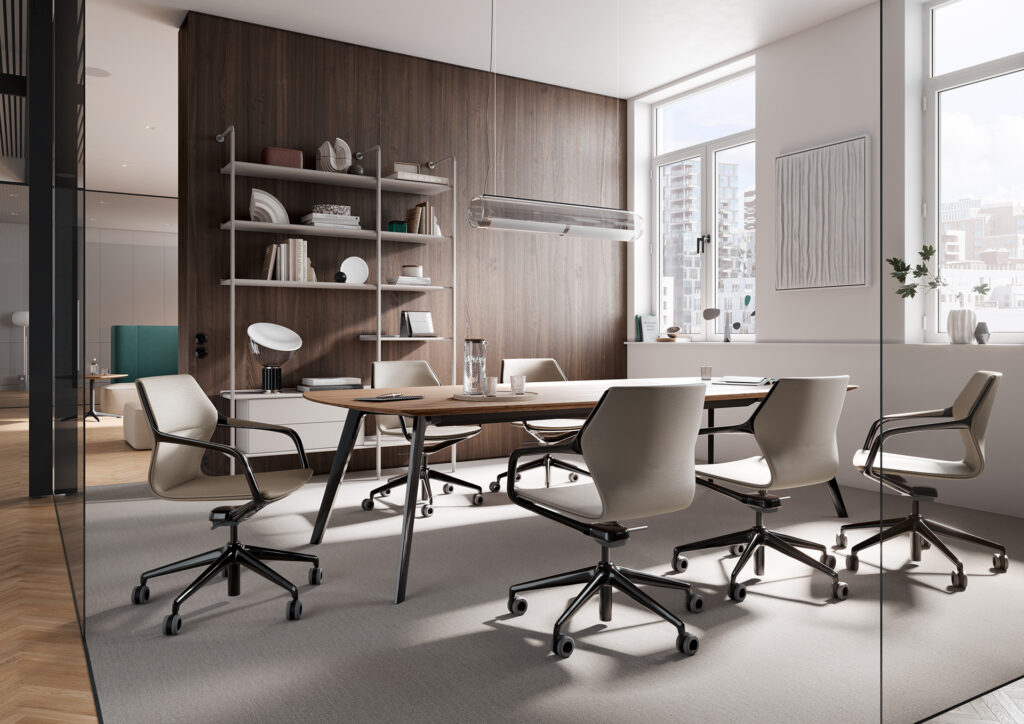
- Meeting spaces : create spaces conducive to exchange, creativity and collaboration with agile furniture, from modular sets(What if we fly by Interstuhl, Atreo by Alea) to specific pieces of furniture, such as electronically integrated conference tables(Ray by Brunner) and seating that's as elegant as it is comfortable(Gorka by Akaba).
.
Flex-office represents a major transformation of the workplace, responding to the need for flexibility, collaboration and employee happiness. Although its implementation can pose certain challenges, the potential benefits make it an attractive option. By adopting a thoughtful approach, companies can reap the full benefits of this new model of workspace design.