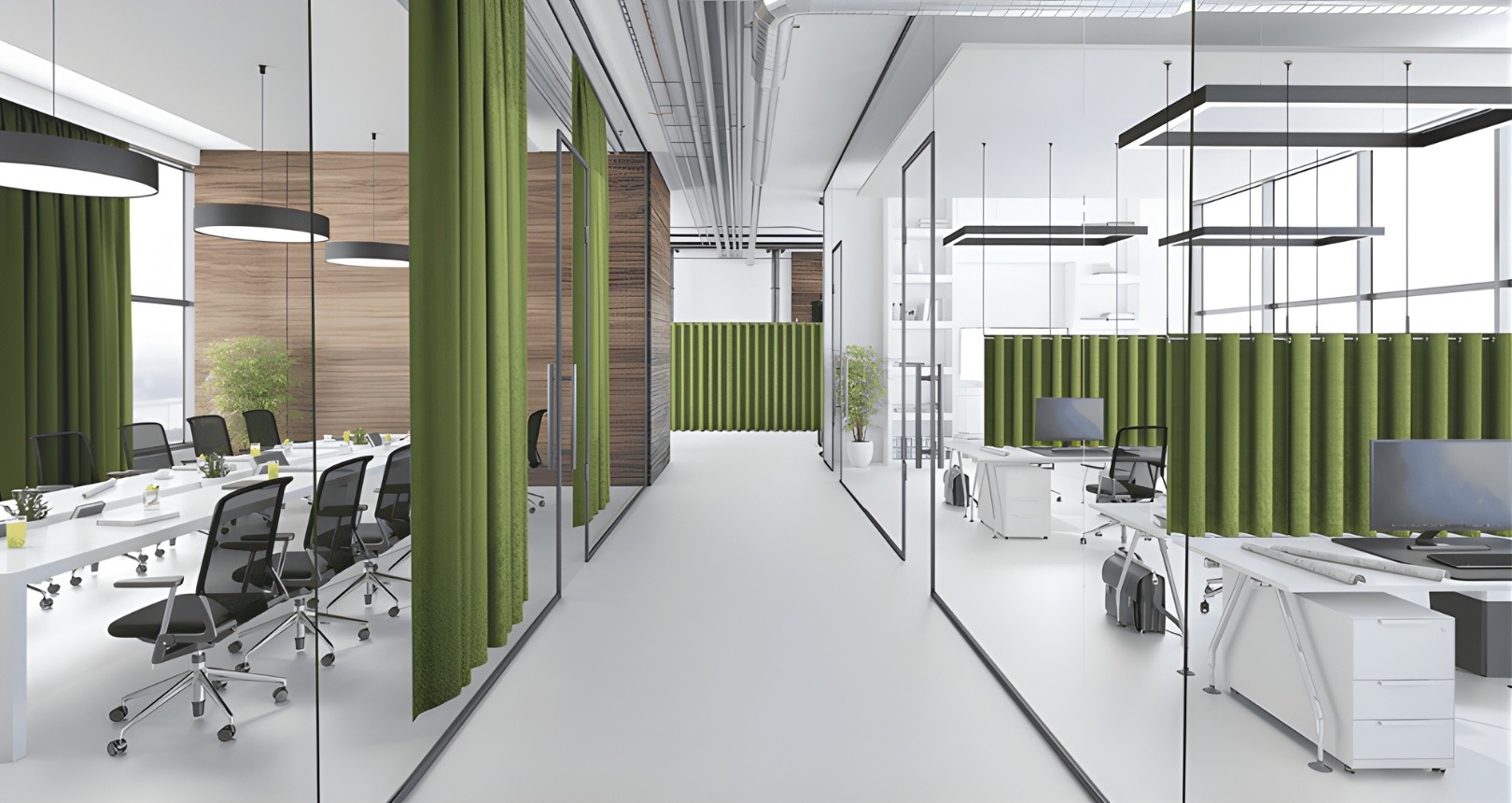
Defining the Wabi-Sabi trend
In the world of contemporary design, a trend is emerging that celebratesauthenticity, simplicity and imperfection : known as "Wabi-Sabi", it draws its inspiration from an ancient Japanese philosophy that emphasizes the beauty of imperfect, ephemeral and modest things. Whether in architecture, art or interior design, Wabi-Sabi is gaining in popularity for its ability to reconnect us with the essential, far from the excess of perfection often sought in modern design.
.
The origins of Wabi-Sabi
To understand Wabi-Sabi, we need to delve into its history and deeper meaning. These terms derive from two distinct but closely related concepts: "Wabi" and "Sabi".
- "Wabi" is rooted in solitude and simplicity. It evokes elegant humility, quiet rusticity and understated beauty.
- "Sabi", meanwhile, focuses on the beauty that comes with age, the patina of objects, and the traces of passing time. It's about accepting impermanence and appreciating the beauty that reveals itself over time.
These two concepts merge to form Wabi-Sabi, an aesthetic and philosophy that embraces irregularities, the marks of time and naturalness as elements of beauty in their own right.
.
The 4 principles of Wabi-Sabi
Wabi-Sabi is based on several fundamental principles that guide its application in design:
- Accepting imperfection: Unlike traditional aesthetics, which seek perfection, Wabi-Sabi celebrates imperfections. A chipped ceramic, a table with knots in the wood, or a stain on fabric can be considered qualities rather than defects.
- Simplicity: Minimalism is an essential component of Wabi-Sabi. It's about getting rid of the superfluous to focus on the essential. Clean lines, natural materials and open spaces create an atmosphere of calm and tranquillity.
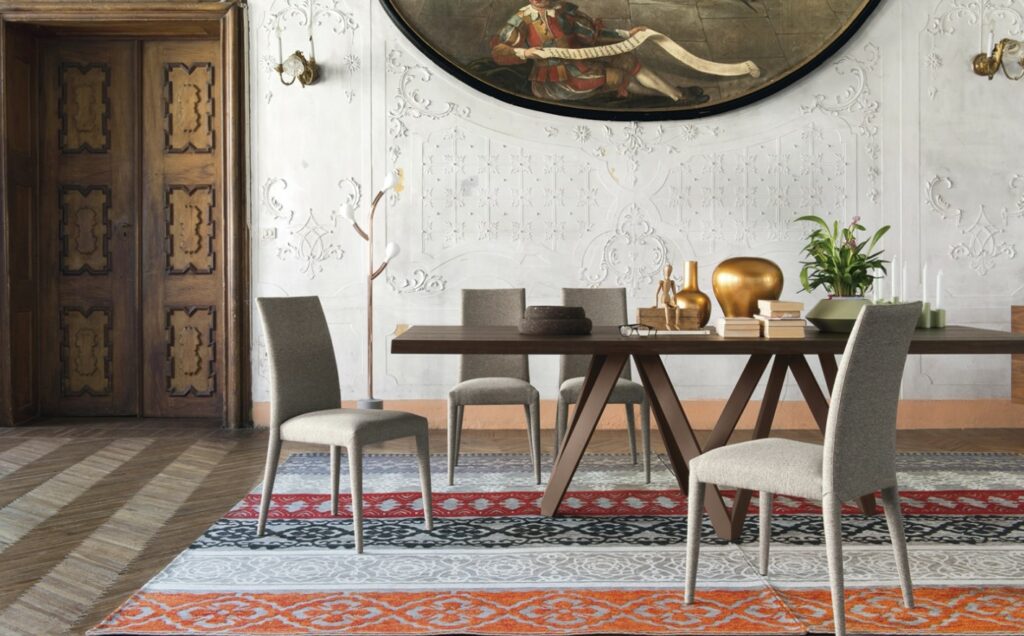
- The patina of time: Objects that show signs of wear and tear are precious in Wabi-Sabi. An old wooden door, a sculpture with cracks, or a wall with peeling paint are seen as witnesses to the passing of time, and therefore bear a special beauty.
- Nature as a model: Wabi-Sabi draws its inspiration from nature. Organic shapes, earthy colors and natural materials such as wood, stone and linen are favored.
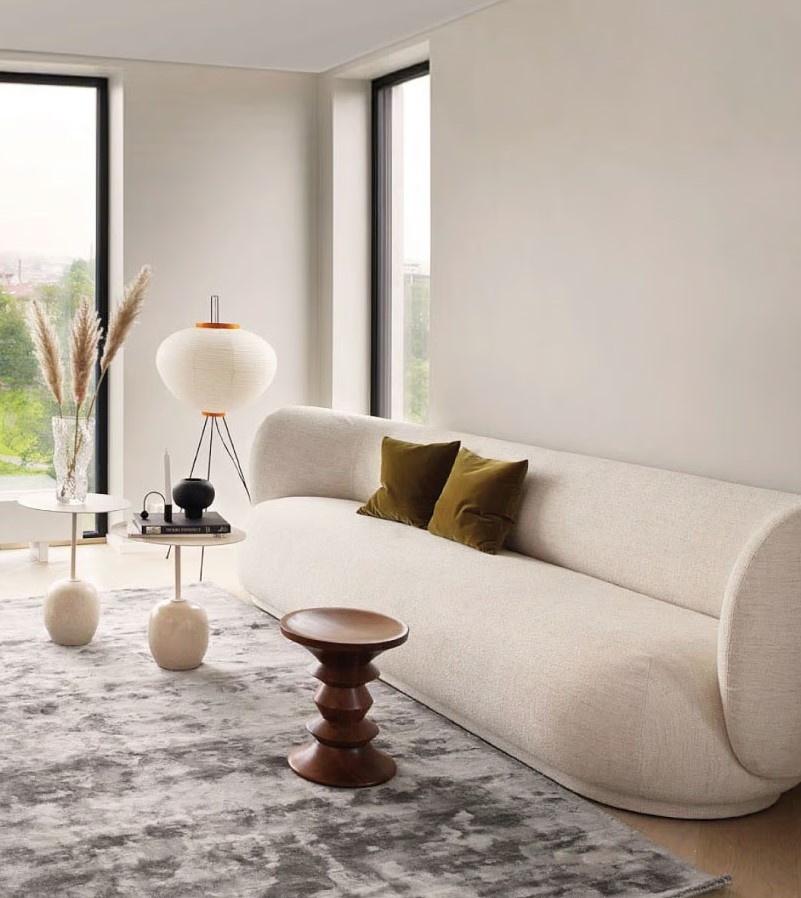
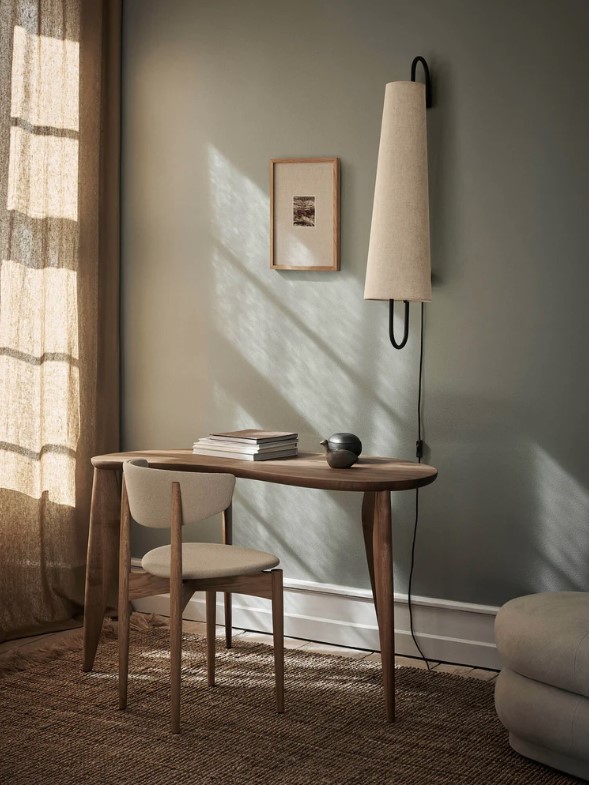
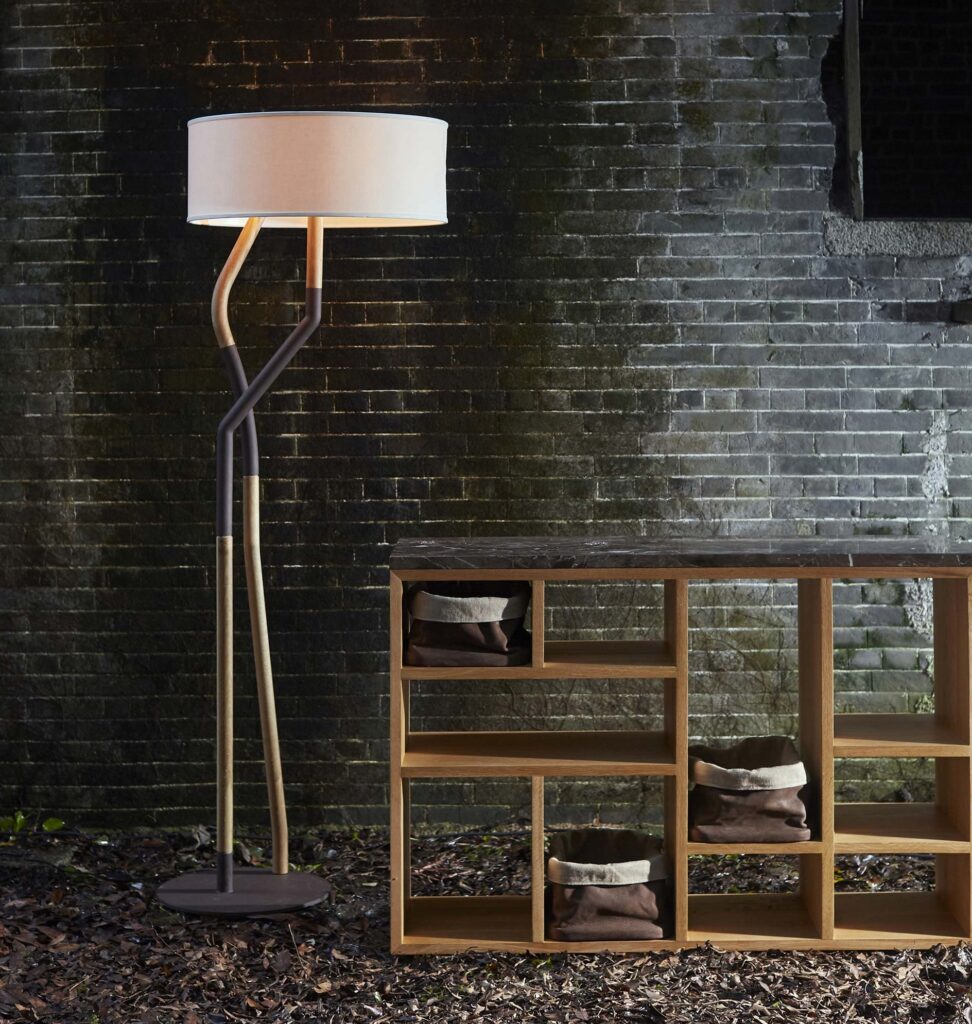
.
.
Applying the Wabi-Sabi style to furnishings and decoration
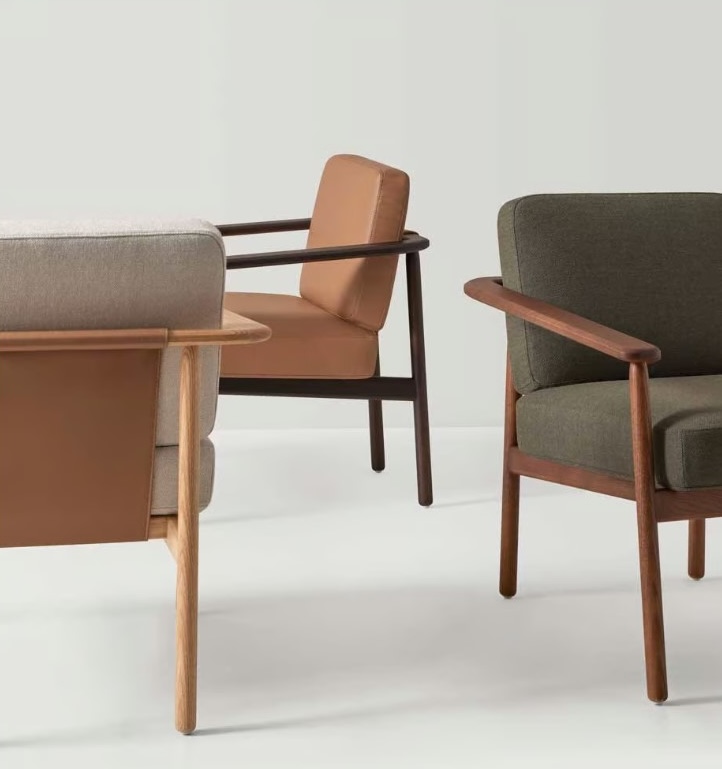
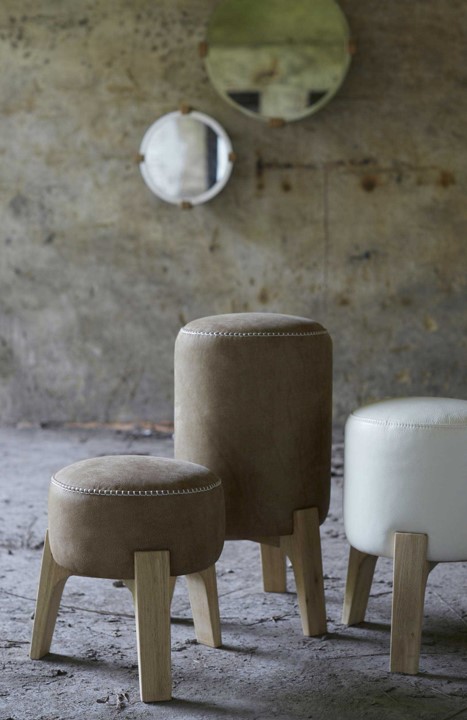
This style emphasizes the use of natural materials such as wood, stone, concrete, linen... in their rawest, most neutral form.
- Atmospheres: Wabi-Sabi interiors emphasize natural textures, earthy tones, vintage pieces and handcrafted elements. Spaces are designed to be simple, welcoming and warm.
- Product design: Designers around the world incorporate Wabi-Sabi elements into their creations, whether through ceramics with irregular glazes, furniture with visible asperities, or textiles that evoke simplicity and softness.
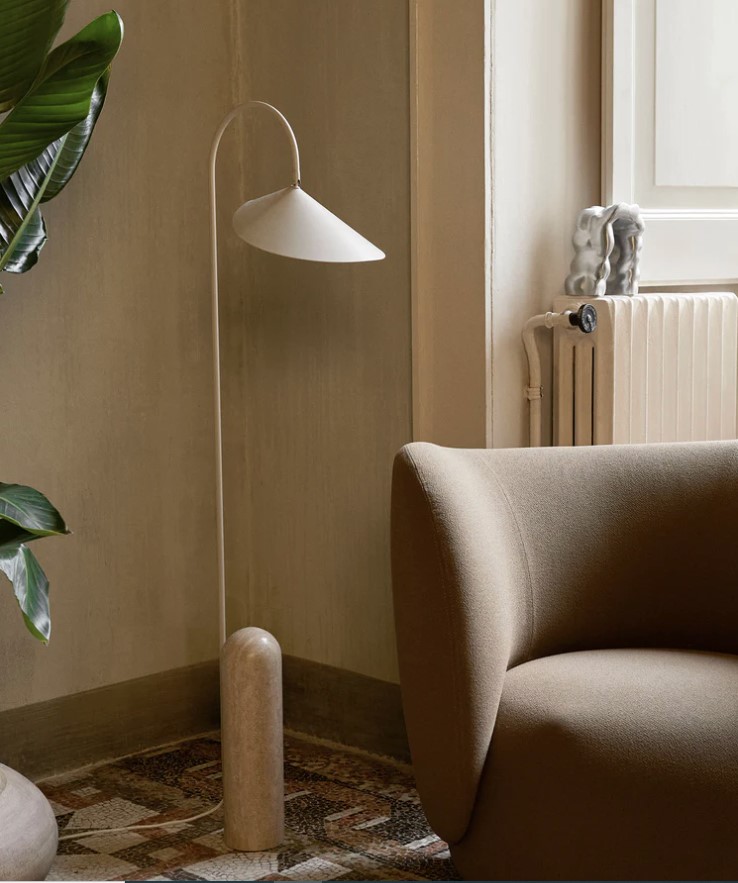
- Decoration: This style favors a humble, uncluttered aesthetic. Neutral, natural tones are the order of the day, such as sand, taupe and stone gray. Off-white can also be used as a contrasting touch. The environment is sober and calming.
- Fluid lines: Wabi-Sabi furniture features rounded shapes and fluid lines that evoke natural movement. Our sinuous chairs and coffee tables are perfect for this style. Avoid sharp right angles.
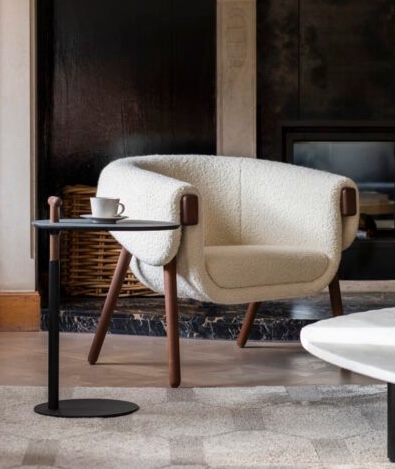
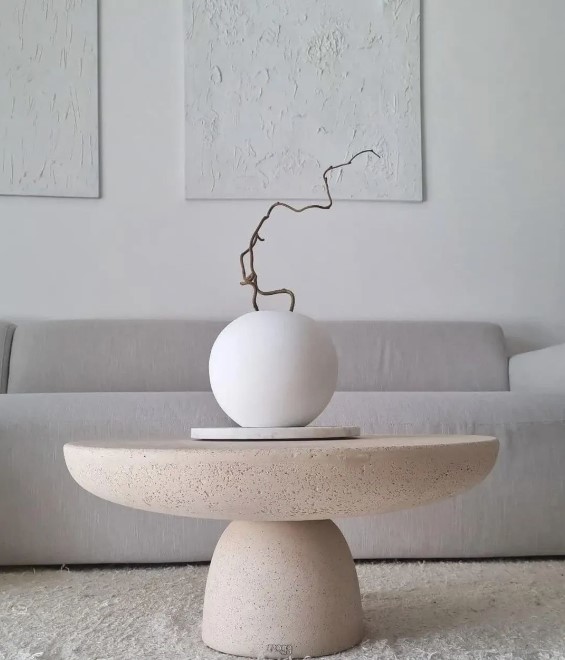
.
.
In short, Wabi-Sabi is not simply an aesthetic trend, but a philosophy of life that invites us to slow down, appreciate the little things, and find beauty in the ordinary. In a world often obsessed with perfection and novelty, Wabi-Sabi reminds us that true beauty can be found in what is simple, natural and authentic. Whether it's in our home décor, our lifestyle or the way we create, Wabi-Sabi encourages us to embrace imperfection and celebrate the beauty of impermanence.
By integrating these principles into the design of your spaces, we create with you a haven conducive to creativity and well-being.